The initiatives led by Claudia Sheinbaum in Mexico and Robert F. Kennedy Jr. in the United States to reduce the consumption of ultra-processed foods are having a significant impact on agriculture in both countries, driving a transformation toward healthier and more sustainable food systems.
President Claudia Sheinbaum has launched the National Food Sovereignty Program and the “Healthy Living in Schools” strategy, which bans the sale of ultra-processed products on school campuses. Meanwhile, in the United States, Robert F. Kennedy Jr., as Secretary of Health and Human Services, has stated his intention to remove additives and ultra-processed foods from schools, calling them “poison.” Although he has clarified that he does not seek to ban these products, he does aim to educate the public about their health effects and promote changes in the food industry.
This opens up an opportunity for growers to adapt to new market demands by focusing on more sustainable and healthier practices. These would be the impacts on the industry:
1. Shift in crop demand
- Farmers who grow fresh produce could benefit from better prices and a larger market.
- Growers of industrial crops (such as yellow corn in the U.S. or sugarcane for soft drinks in Mexico) could be affected by lower demand.
2. A boost for agroecological and organic practices
Both Sheinbaum and Kennedy have emphasized reducing the use of agrochemicals. Kennedy, in particular, is a critic of glyphosate and supports the transition to organic systems. Sheinbaum has spoken about strengthening food sovereignty through traditional and sustainable methods.
- Those already practicing organic or regenerative agriculture have a window of opportunity to scale their model.
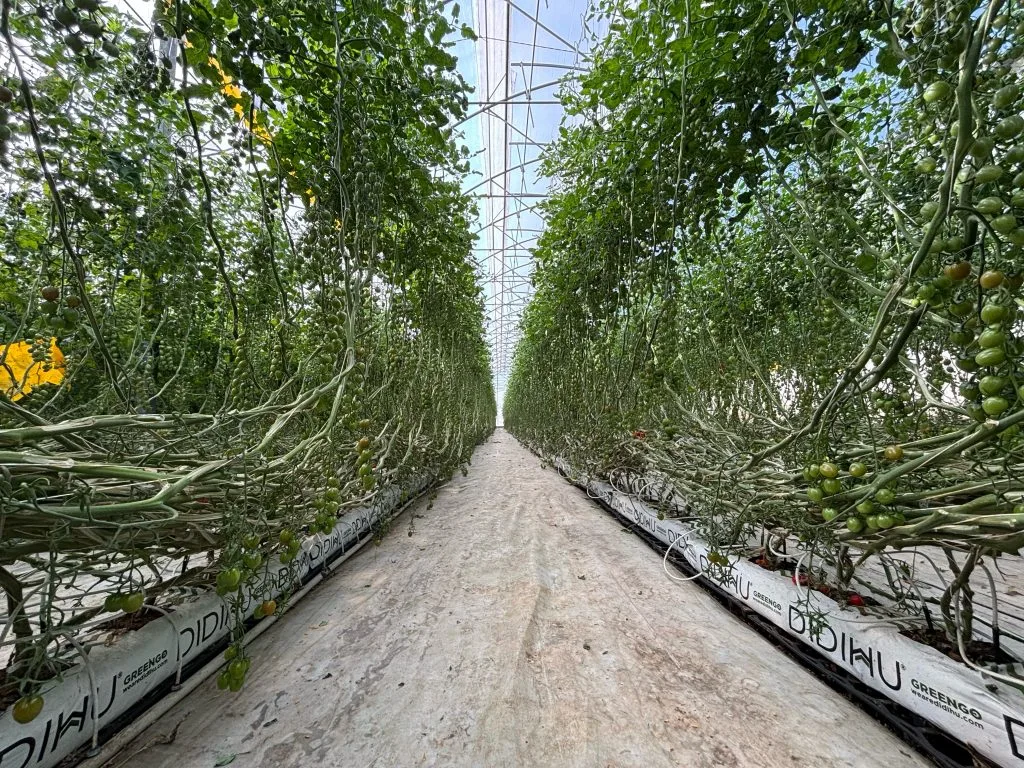
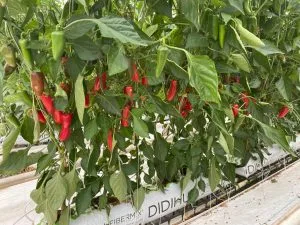
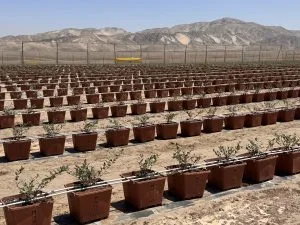
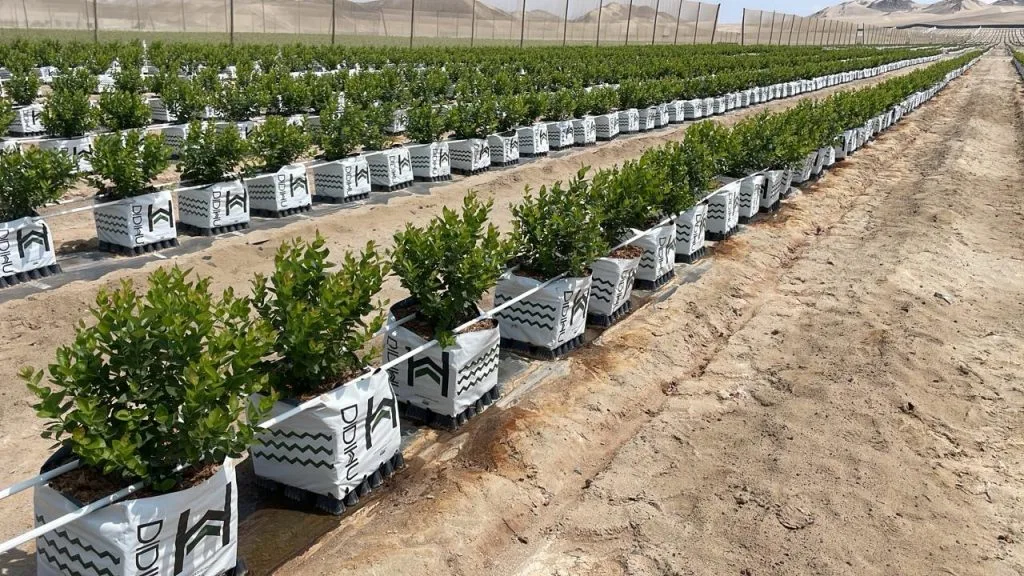
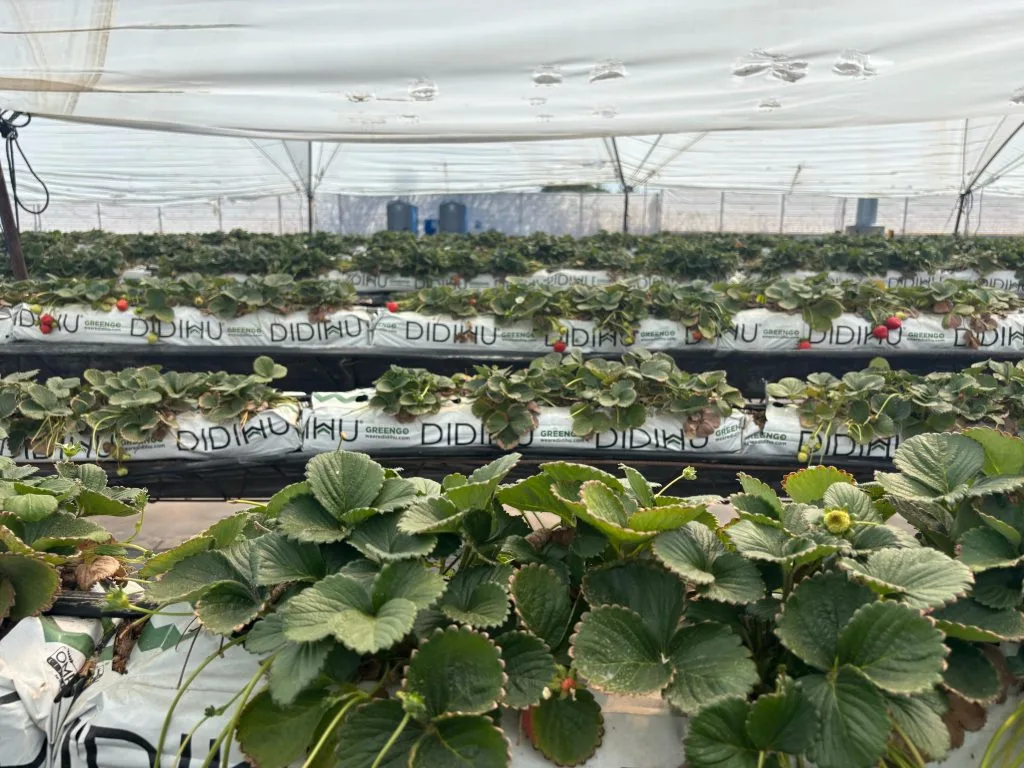
- Conventional farmers will face the transition to sustainable methods such as hydroponics.
3. Restructuring of the subsidy system
If governments prioritize healthy foods and short supply chains, a redirection of support and incentives is expected toward small and mid-sized growers and family and local farming.
- Small-scale growers of fresh foods, legumes, native corn, fruits, and vegetables may gain access to support that was previously limited.
- Agribusinesses tied to the food processing industry could lose tax advantages or subsidies associated with monocultures or commodity exports.
4. New marketing and value chains
- An opportunity to diversify income through direct sales and fair prices.
- The need to improve logistics and organizational capabilities to meet the standards of institutional supply programs or urban markets.
5. Education and technical assistance: a key piece
Public policies against ultra-processed foods require the government to invest in technical assistance for agriculture, an area that has traditionally lagged behind.
- The possibility of accessing training in sustainable production, post-harvest techniques, food preservation, and market access.
- Challenges for older farmers or those with less formal education, who need more hands-on, adaptive support.
These policies have the potential to restore value to the farmer's role as a provider of health, not just food. But the transition isn't automatic: it requires comprehensive public policies, accessible financing, training, and a redesign of the agri-food system. The key will be building bridges between the farm and the table, prioritizing the health of people as well as that of the soil and the grower.