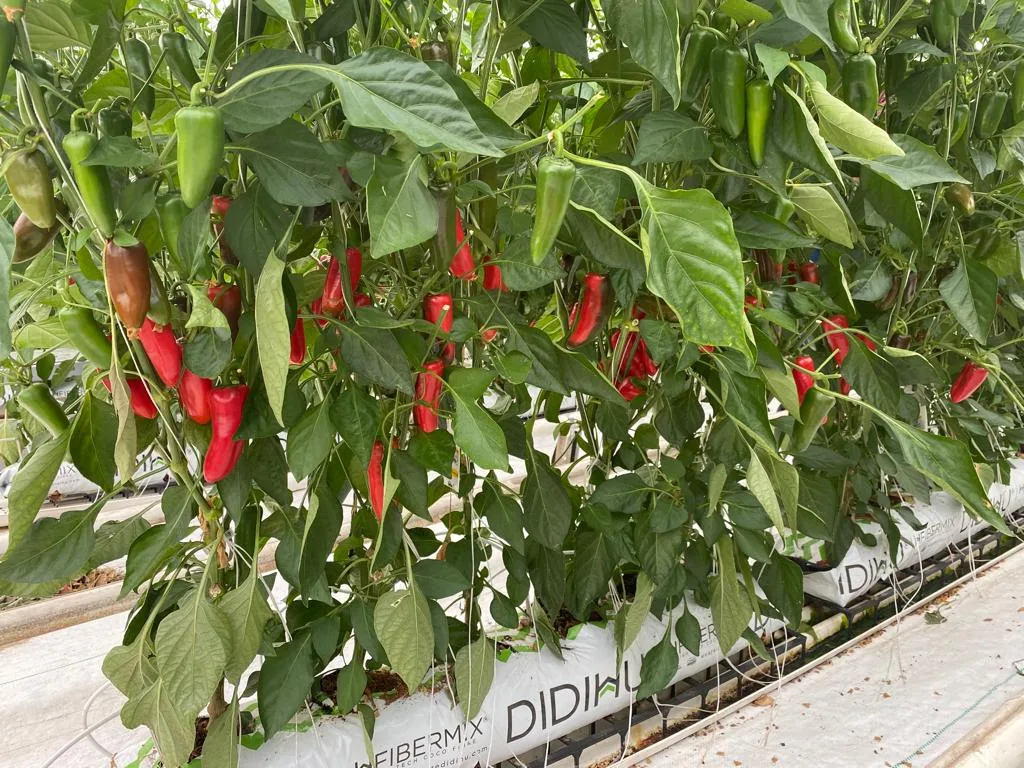
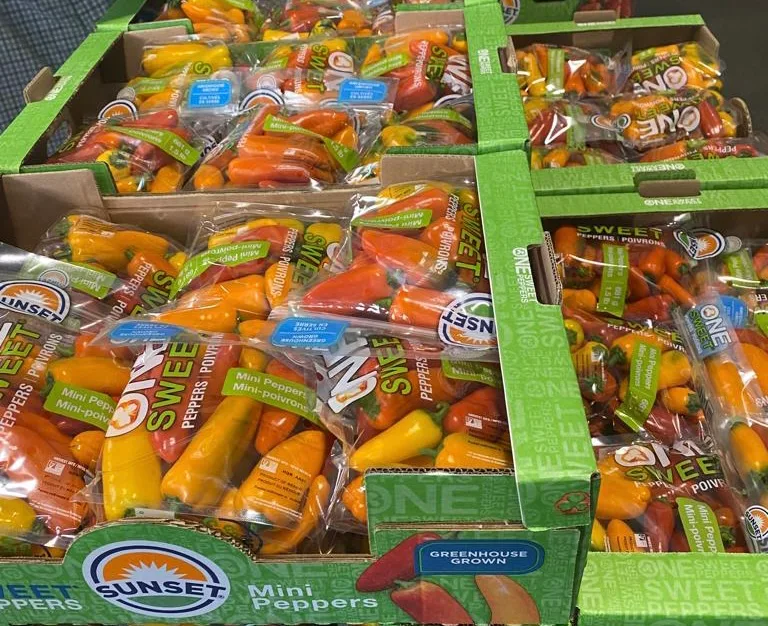
Peppers have become a highly sought-after vegetable thanks to their versatility, especially mini peppers: their sweet flavor makes them convenient as snacks and for use in a wide variety of recipes, whether raw, roasted, stuffed, or as colorful ingredients in all kinds of dishes. They appeal to a broad range of consumers.
Mexico is the world's second-largest pepper producer, with 3,113,000 tons of peppers produced in 2022 on an area of 156,718 hectares (Hortidaily).
It also tops the ranking as the largest exporter of this crop, with a 29 percent global share, with the United States, Canada, and the United Kingdom as its main destinations.
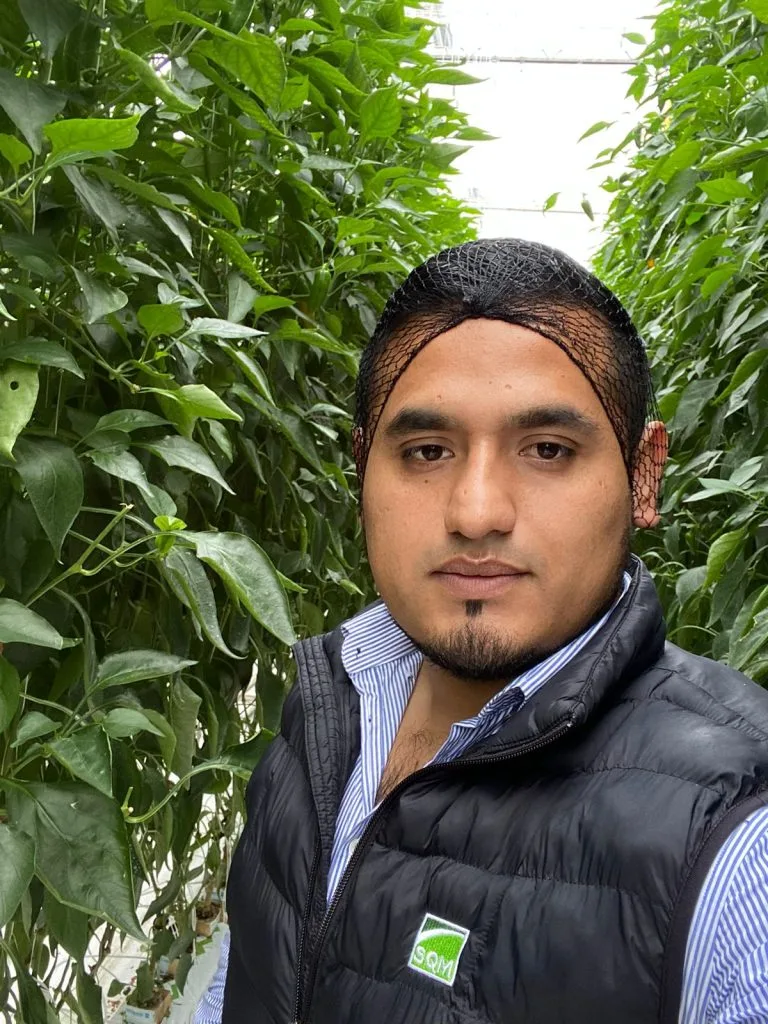
That is why peppers, with their versatility and market demand, have found their ideal growing medium in hydroponics. Ricardo Ramírez, grower at Hortícola Greenfield, shares his experience and knowledge of hydroponic pepper production, focusing on the mini pepper, a variety he has worked with for the past 4 years.
THE PRODUCTION CYCLE
Ricardo gives us an introduction: “The annual cycle spans 38 weeks of active production, followed by 12 weeks of development. During this time, we carefully monitor fruit quality and size. Size is a crucial factor for success, and we pay very close attention to it.”
One of the keys to success in hydroponic pepper production is choosing the right varieties. Hortícola Greenfield manages 8 varieties, each with its own requirements and growing techniques, most notably the mini pepper, whose management is similar to that of the bell pepper.
Main technical considerations:
1.- Variety selection: this is the most critical decision to make, as it will influence every aspect of the crop.
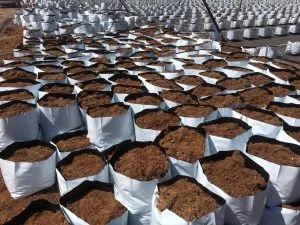
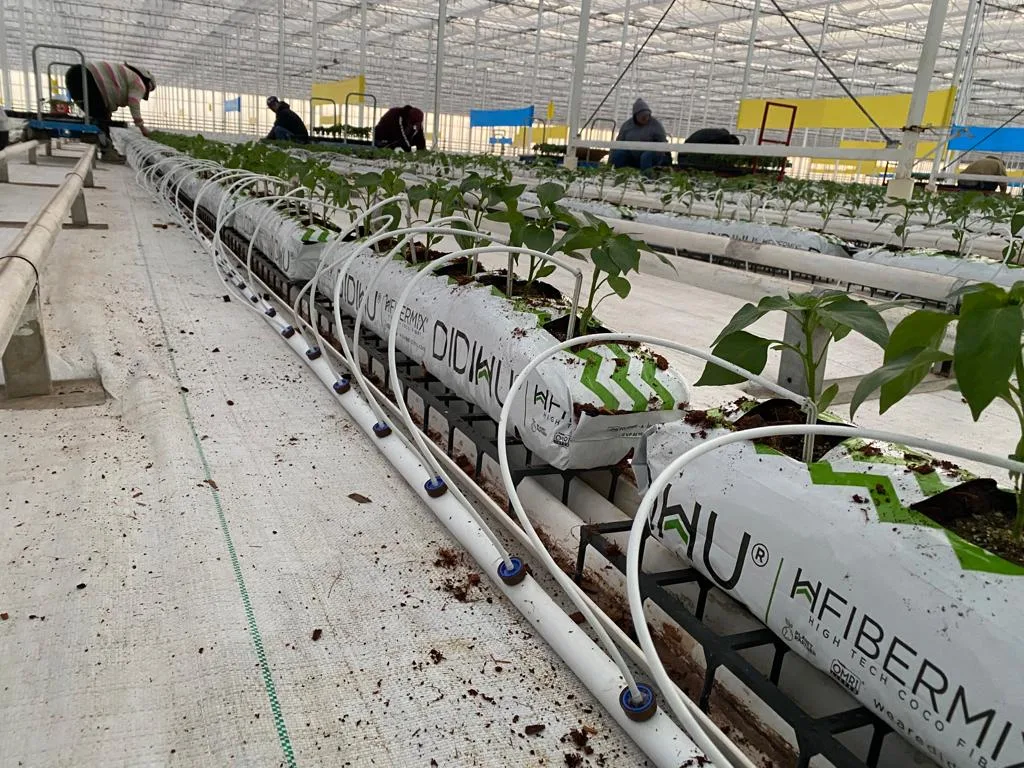
2.- Substrate selection: a 70/30 coconut fiber ratio is optimal to ensure proper root aeration and prevent moisture and disease problems.
3.- Temperature conditions: maintaining a constant temperature is essential for optimal pepper development, within a specific range of 22.5 to 23 degrees Celsius.
4.- Cultural practices: careful plant management, including pruning and irrigation, is essential to promote healthy growth and high productivity.
5.- Plant health: pest and disease control must be a priority, using integrated methods that include biological and biorational control to minimize the use of chemical products.
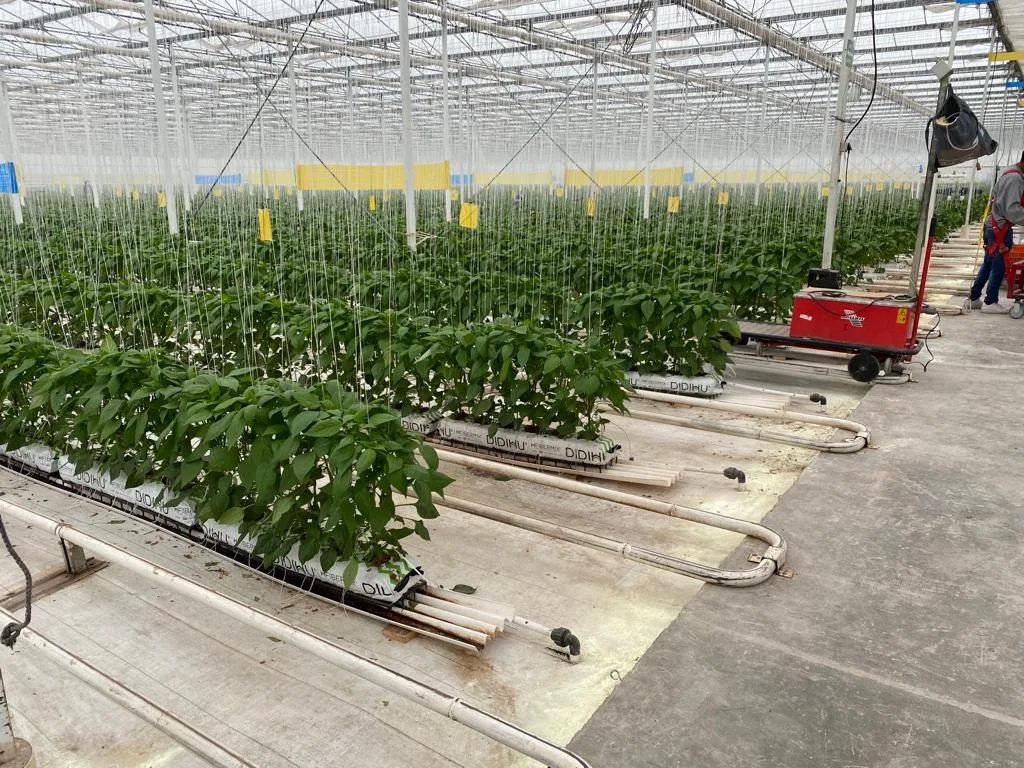
Ricardo adds: “Peppers are comfortable in the greenhouse with 60% relative humidity, 400 to 600 ppm of CO2, and pipe heating.”
Advantages of growing peppers hydroponically:
1.- Higher yields: 27 kg/m2.
2.- 40% higher production than in soil.
3.- Export percentage is around 90% to 95%.
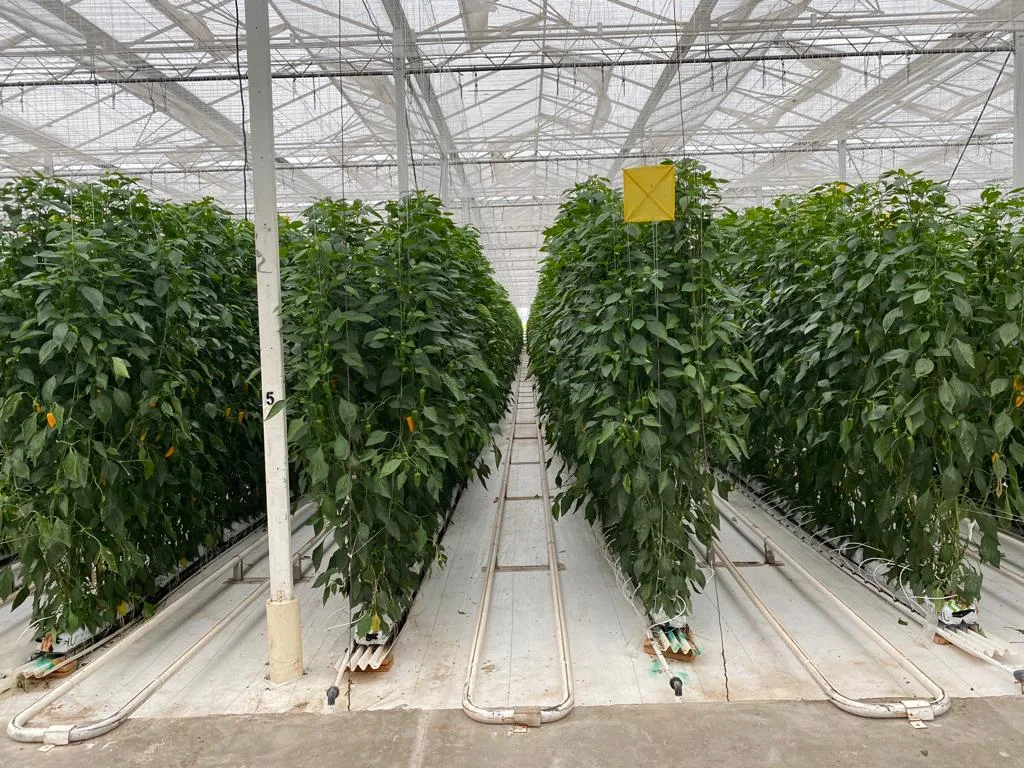
On density, Ricardo notes: “We run 3.2 plants per square meter, and each plant has 3 stems, for a total of 9.6 stems per square meter.”
In this way, hydroponic pepper production offers a path toward more efficient and sustainable agriculture. With the right technical considerations, such as selecting appropriate varieties, managing the substrate precisely, and carefully controlling the growing environment, growers can reap not only higher yields but also long-term economic and environmental benefits.