Water resources and hydroponics
Water resource challenges and soil limitations, together with the growing demand for healthy food, compel us as growers to adopt the best technologies to sustainably produce more “superfoods” with less. That way, we can be more competitive in the global blueberry market.
As we know, hydroponics has proven to be the best production system to achieve this, but one of the most important questions we ask ourselves as growers is where our blueberries will be housed: in a grow bag or in a rigid pot ? It's not always an easy decision, since it depends a lot on management and on our budget.
Pot vs. grow bag
Planting in grow bags has become a very popular solution among growers who have a more limited initial budget but want to adopt hydroponics to grow their blueberries. In terms of upfront costs, bags are cheaper than pots.
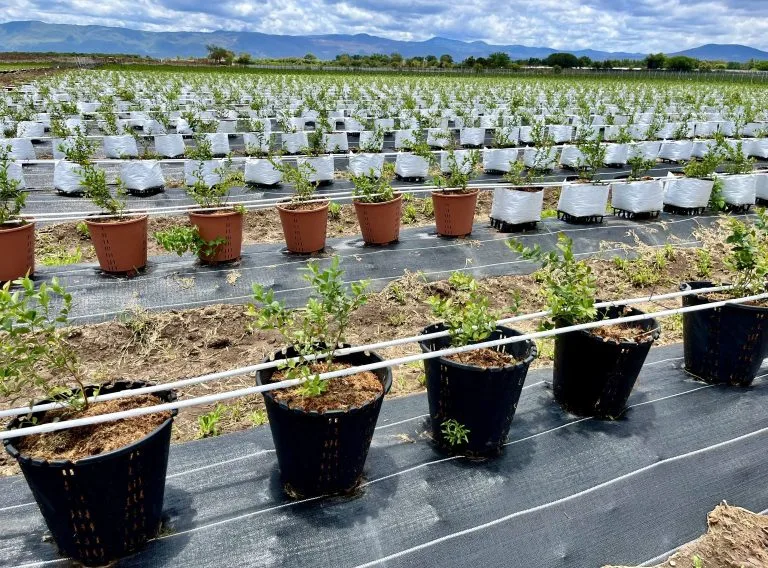
However, when compared with pots, we have found that the advantages pots offer are greater in several respects:
Uniformity. With a rigid pot, every container holds the same amount of substrate, whereas when filling a bag, its elasticity and change in shape can cause up to 25% variation in coco volume, which translates into higher costs and less uniformity.
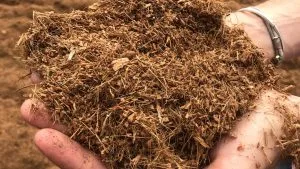
Substrate investment. A 27 L pot can be filled with up to 33 L of substrate, while a 27 L bag can hold up to 42 L, so your investment in coconut fiber will be very high.
Stability. Because it is rigid, the pot is more stable than the bag in windy conditions, so your plant will be safer and steadier (you'll keep it from tipping over and falling to the ground).
Oxygenation. The pot features technology that provides oxygenation through its walls and base.
Drainage. The pot's four channels and conical base distribute moisture evenly, preventing root rot.
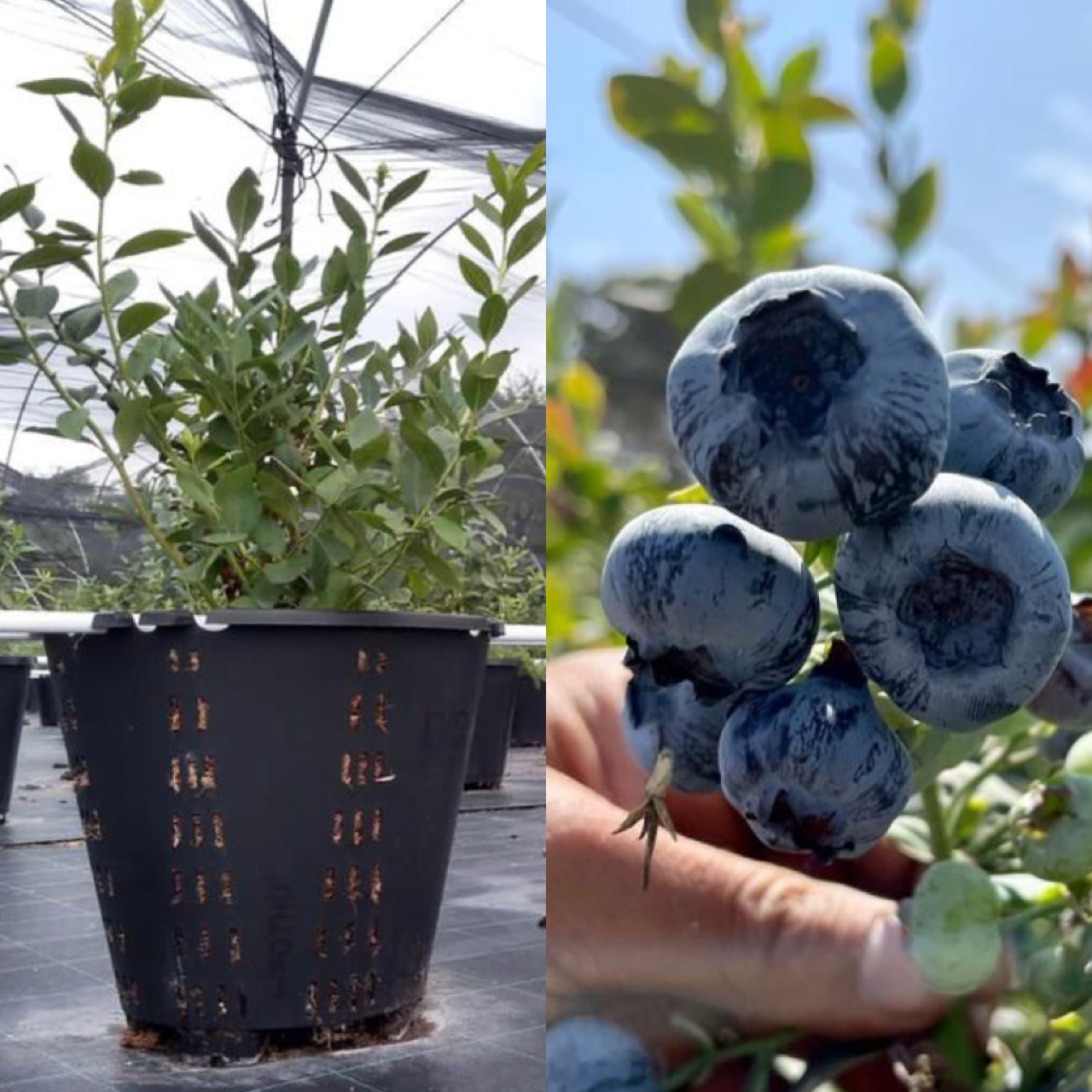
Irrigation slots. The slots at the top of the pot keep irrigation lines in place at all times and prevent the waste of water and fertilizer that sometimes happens with bags, where the line can fall to the ground.
Aesthetics. The farm looks more uniform and clean, and, combined with ground cover, it also keeps grass and weeds at bay.
Production. The pot helps you make fewer agronomic mistakes, which translates into better production more easily.
Plant health. Some diseases are less prevalent in pots than in bags, such as those caused by excess moisture.
Costs. Although the bag may be more affordable in terms of initial investment, it isn't in the long run, since you'll need to replace it after 5 or 6 years, which doesn't happen with a pot. In addition, there are costs that often go unaccounted for when planting in bags: more substrate, more labor, irrigation, etc. Not to mention that the plant can suffer more damage when fragile bags tip over, which will end up cutting into your production.
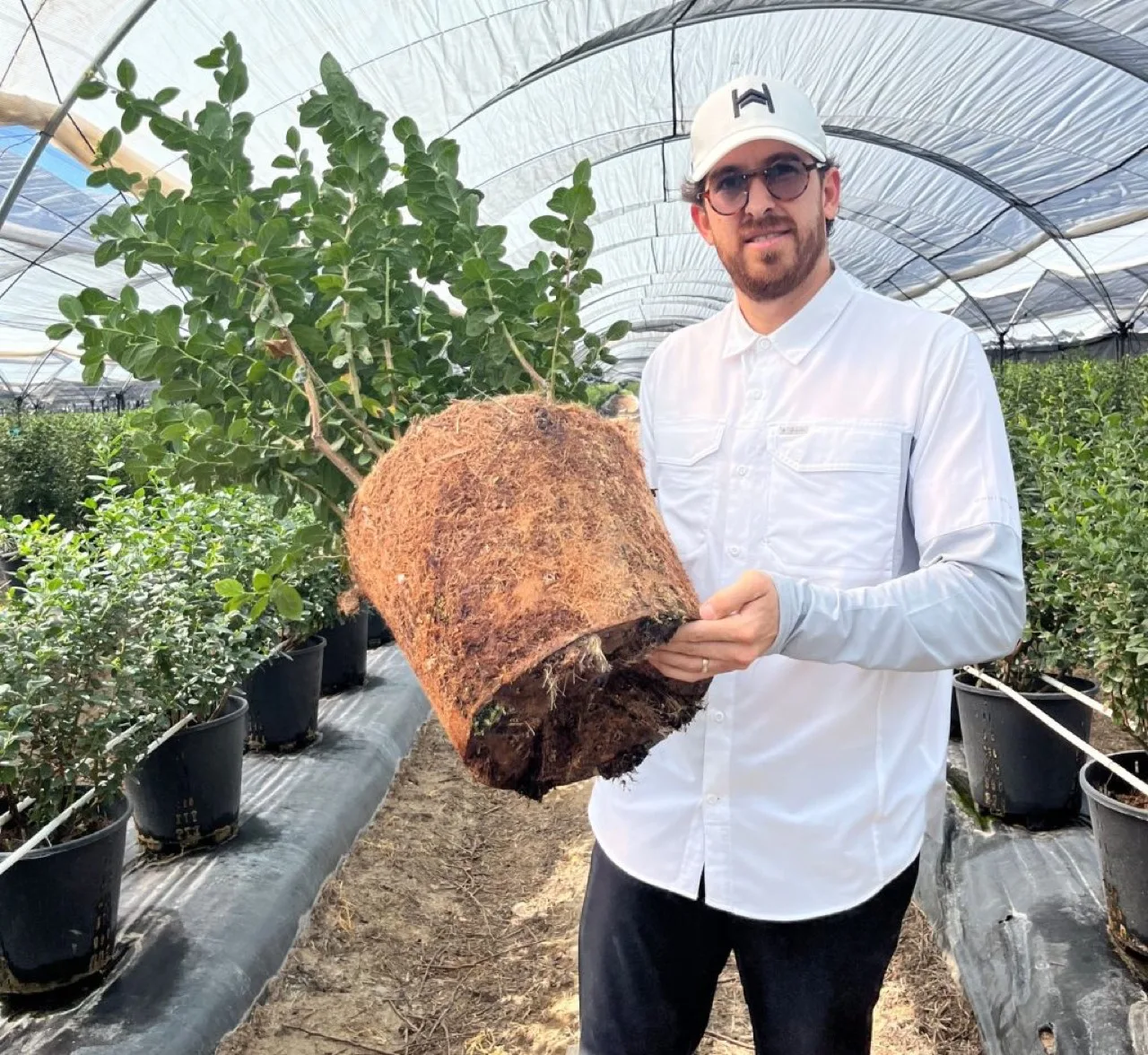
Ultimately, what we're after is being competitive in the global market, so if we want to stand out, we need to invest not only in excellent varieties, but also in the ideal “home” to house them, with technology that unlocks their full potential through a standardized, uniform system, which you can definitely get with a rigid pot combined with coconut fiber substrate.
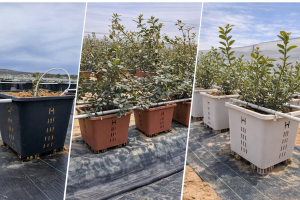
Exponential development: greater plant growth in pots vs. grow bags
Take a look at this short video, where, in one of the experiments we're running in different parts of the world, we analyze pots vs. grow bags: