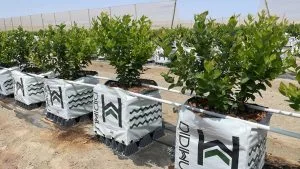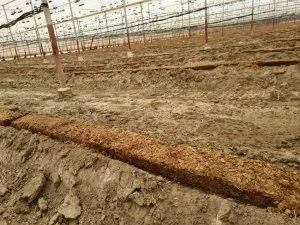
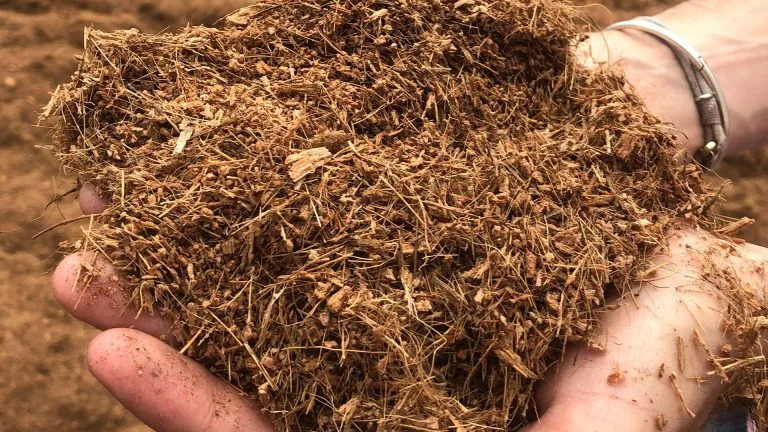
After researching the different media for soilless growing (Soilless #SoilFree) and weighing the options on the market (Peat Moss, tezontle, etc.), we as growers are convinced that coconut fiber is the solution we will lean toward for our purchase. It is extremely important to make sure the product is uniform to guarantee that we are buying quality Coconut Fiber. The entire coco industry talks about UNIFORMITY, but unfortunately, in practice, distributors don't live up to it, since it is much easier for them to combine production from different countries, factories, and types of coconut to guarantee supply, rather than to guarantee quality. It is extremely important that the entire coconut fiber order be uniform so that production is standardized and, as a result, crops are high quality. Regardless of the type of mix we have chosen (70-30, 50-50, 80-20, etc.), we should always evaluate the following points:
TRACEABILITY: The coconut supply should come from a single region. Never buy combined lots from different origins; we run the risk of variations in the raw material that result in inconsistent production. Always ask: Where were the coconuts grown? Does it come from the same production lot? Does the entire order come from a single factory, or is it a consolidated shipment?
MANUFACTURING PROCESS: Every process in the manufacture of compressed coco must be standardized. The cutting of both the chips and the fiber must always follow the same quality standard, making sure the cutting blades are always optimally maintained. The drying method is also a factor that contributes to the quality of a standardized product. You should choose a product that has been naturally dried. Although coco can be dried with machinery, there is a greater risk of damaging the coconut fibers and creating inconsistencies.
STORAGE: Once processed, coconut fiber, being organic matter, tends to decompose and lose its expansive properties. When we buy product, it is very important to make sure it goes straight from the factory to the field where it will be used. Under no circumstances should you buy stored substrates; they carry a high risk of not reaching optimal performance. In addition, the longer coco stays in storage, the greater the risk of contamination by other foreign substances. Stored coco is susceptible to dust, dirt, oils, and rust. In storage, moisture is a huge danger because it builds up and the fiber could simply rot. It also makes the fibers susceptible to microorganisms, mainly mold and fungi.
DIDIHU has invested in machinery, human capital, and state-of-the-art technology to develop a uniform standard, resulting in FIBERMIX ORGANIC SUBSTRATE. Our mixes go from our production center to your field, with no middlemen and no storage. In short, coco quality is largely a product of the processes used to harvest, prepare, and store the material. Determining the quality of what you are getting will require finding out how the coco's footprint was handled before it reached the farm. Do your research and be sure to ask the right questions to guarantee a quality coconut substrate.