In 2021, change was very uncomfortable: supply chain inconsistency, rising freight, fertilizer and input prices, and the effects of climate change threatened food security (and they still do). Now, more than ever, there is enormous pressure on the way we grow our food.
The challenges are huge: with record increases in fertilizer and freight prices in the fourth quarter of 2021, food will be more expensive to grow, manufacture and ship, while at the same time consumers are resisting paying more. However, this “perfect storm” will drive innovation in many areas of food production.
In addition, we have on our side the speed of technological development and strong interest from both investors and institutional funds in backing new #Agtech and #Foodtech startups and food-focused technologies.
These are some of the trends I see for 2022:
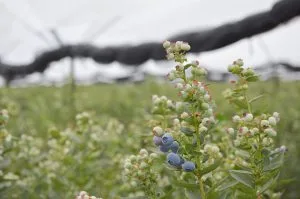
Varieties + Varieties. To survive, we need to produce more with less while meeting the flavor, quality and appearance standards that export markets demand. Developing new, more resistant genetics is essential to achieving this goal. (Who would have thought 15 years ago that blueberries could be grown in Peru?)
Sustainability certification. The market demands flavor, presentation and sustainability at the same price. Today, more than ever, sustainability is becoming an obligation, not an option. We are very close to seeing a sustainability certification take off, just as organic certification did in its day.
Online grocery (eGrocery). The pandemic has accelerated this already growing ecosystem, which is the most attractive investment segment for food-focused venture capital funds. At the rate we are going, many more startups will join Cornershop, Rappi, Jüsto and the hundreds of others around the world, thanks to the convenience of this business model.
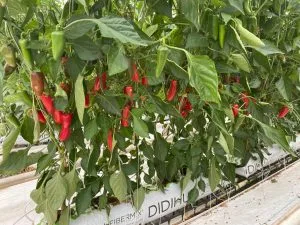
Super farms of the future. With a more extreme climate every year, our planet can expect more droughts and torrential rains, and modern agribusiness owners are being forced to make their farming operations smarter. Greenhouses, hydroponics, smart irrigation and data software will keep expanding throughout Mexico and the world. Regions with extensive field crops in northern Mexico and other areas such as Ica, Peru, are turning to these technology packages as a way to overcome the threat of water scarcity and harsher climates, and to run more efficient operations. (Internationally, there is a craze for vertical farming, with companies such as Plenty, AeroFarms, Infarm and Upward Farms helping to grow food efficiently and closer to the consumer).
Alternative Proteins #FoodTech: In recent years, the pressure of climate change has spurred the creation of the crops of the future, particularly to support the growth of alternative proteins. Also driven by new consumer habits resulting from the pandemic, supermarkets now carry not only Impossible Foods and Beyond Meat, but also Latin American brands such as NotCo, Plant Squad, Heartbeat, Tomorrow Foods and Fazenda Futuro. This market is stronger than ever.
More #Agtech. Fertilizer shortages and a changing climate call for more companies that can produce more with less. Technologies such as hydroponics, precision agriculture, nanotechnology and big data will keep growing, with emerging companies helping to build sustainable agriculture.
In terms of production, the challenge of feeding the world's population has been solved: we have better food, more technology, and we can produce year-round. The problem now lies in food distribution and its costs.
The world is not getting any simpler, but I am very optimistic that the turbulence ahead will forge a more resilient food technology landscape and open up great new opportunities for growers, with technology that seemed futuristic just a few months ago. These trends (varieties, certification, eGrocery, farms of the future, alternative proteins and Agtech) will shape the global agricultural system and the way we consume food in the short term; it all depends on our agility and willingness to learn and adapt to the new game these megatrends impose on us.
Share with me what other trend you think should be on the list. If you enjoyed this article, please pass it along to someone who might find it interesting. I would be very grateful.
Go #Agtech Go #Foodtech