“The key lies in understanding and proactively responding to the complex interactions between climate and agriculture.”
Reading time: 4 minutes
In agriculture, understanding the environment in which our crops develop is crucial.
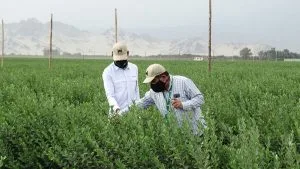
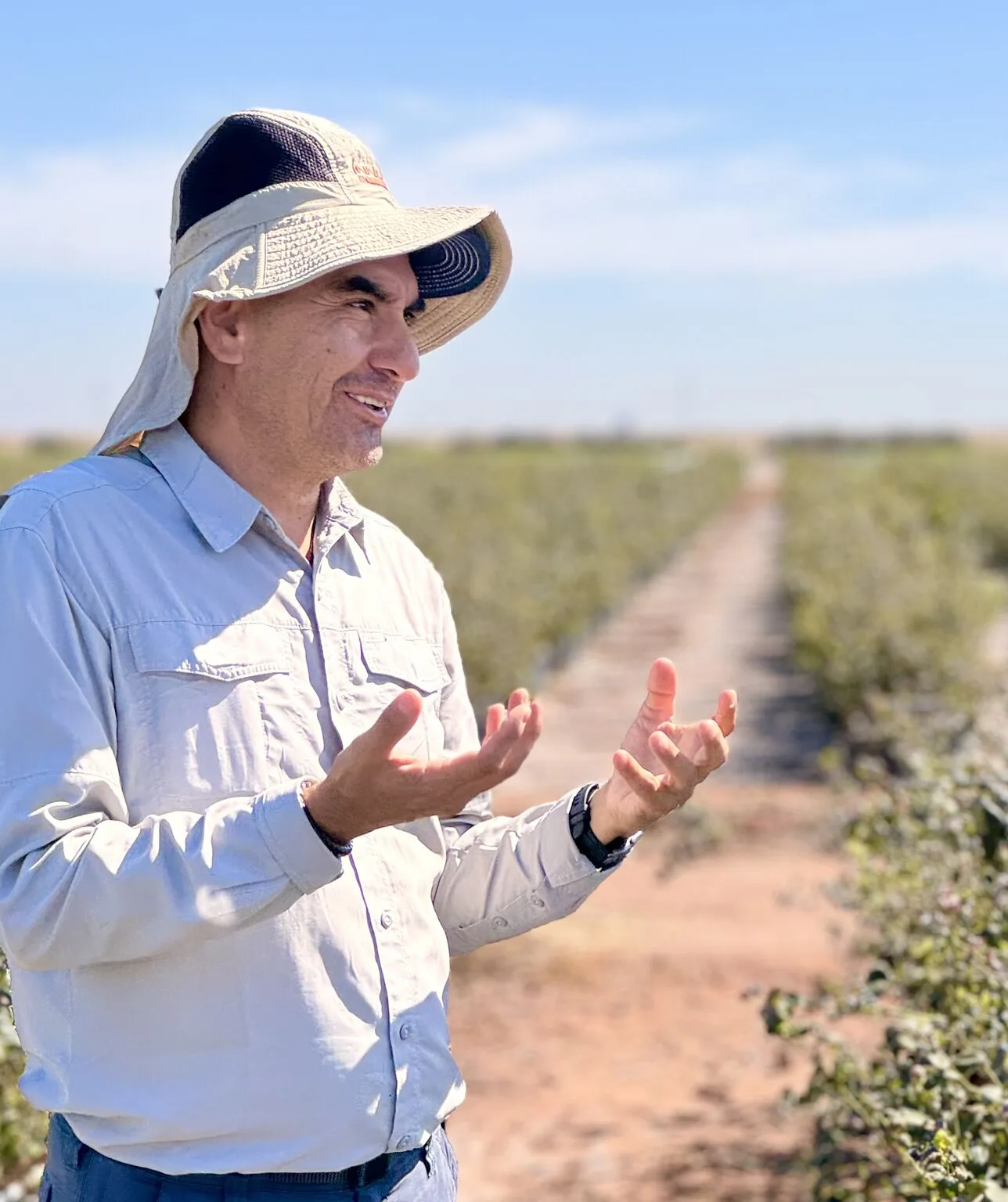
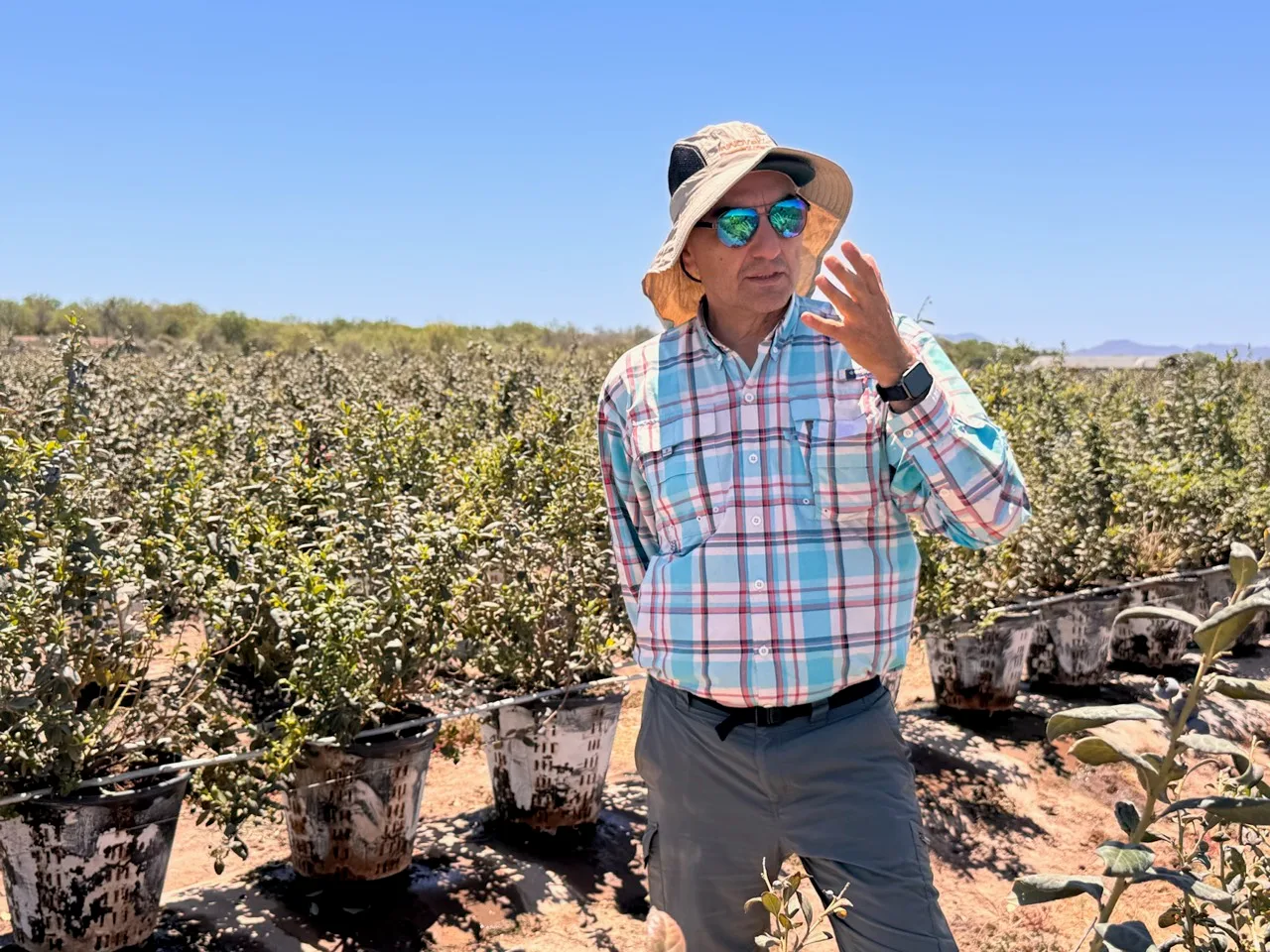
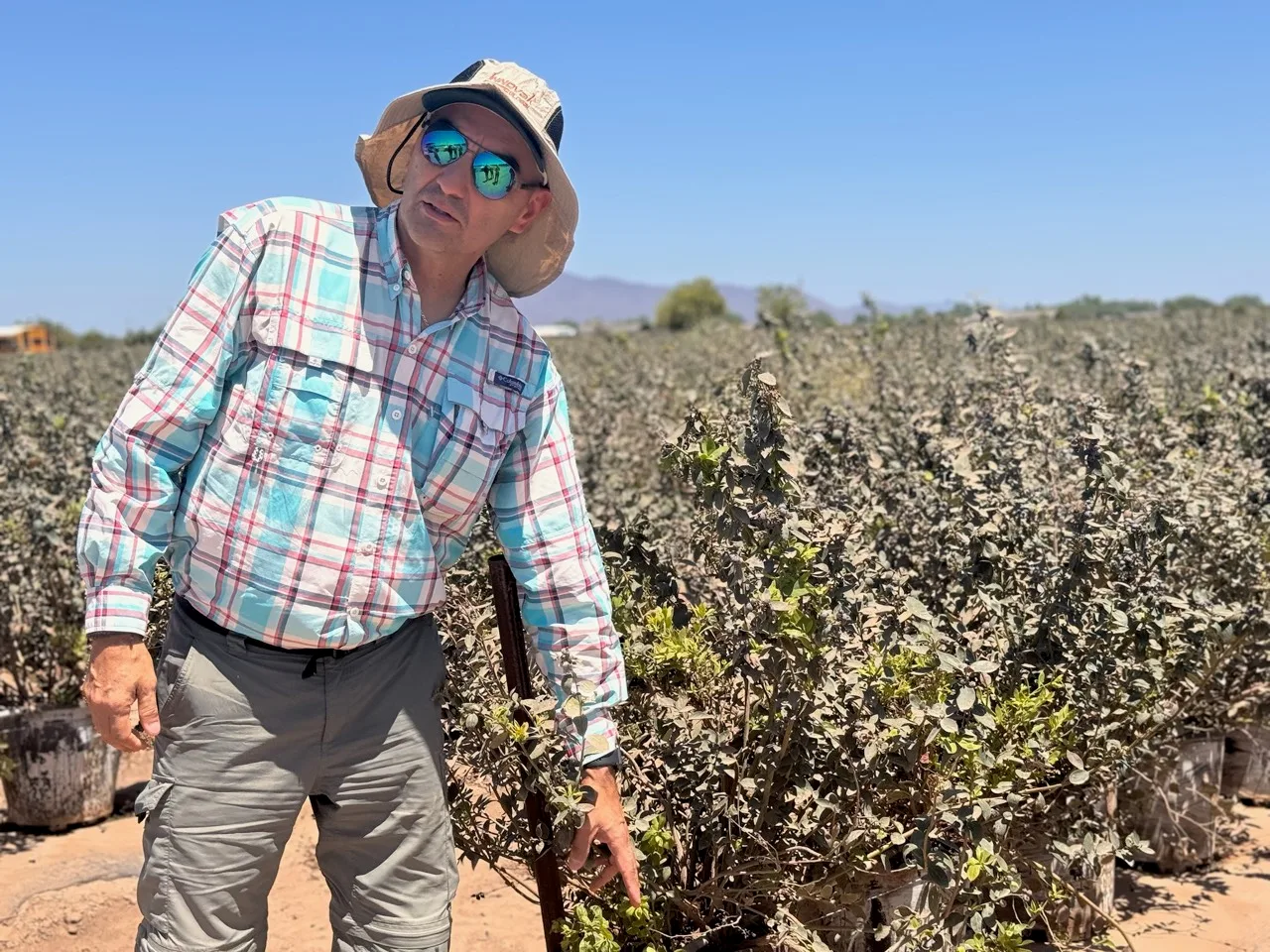
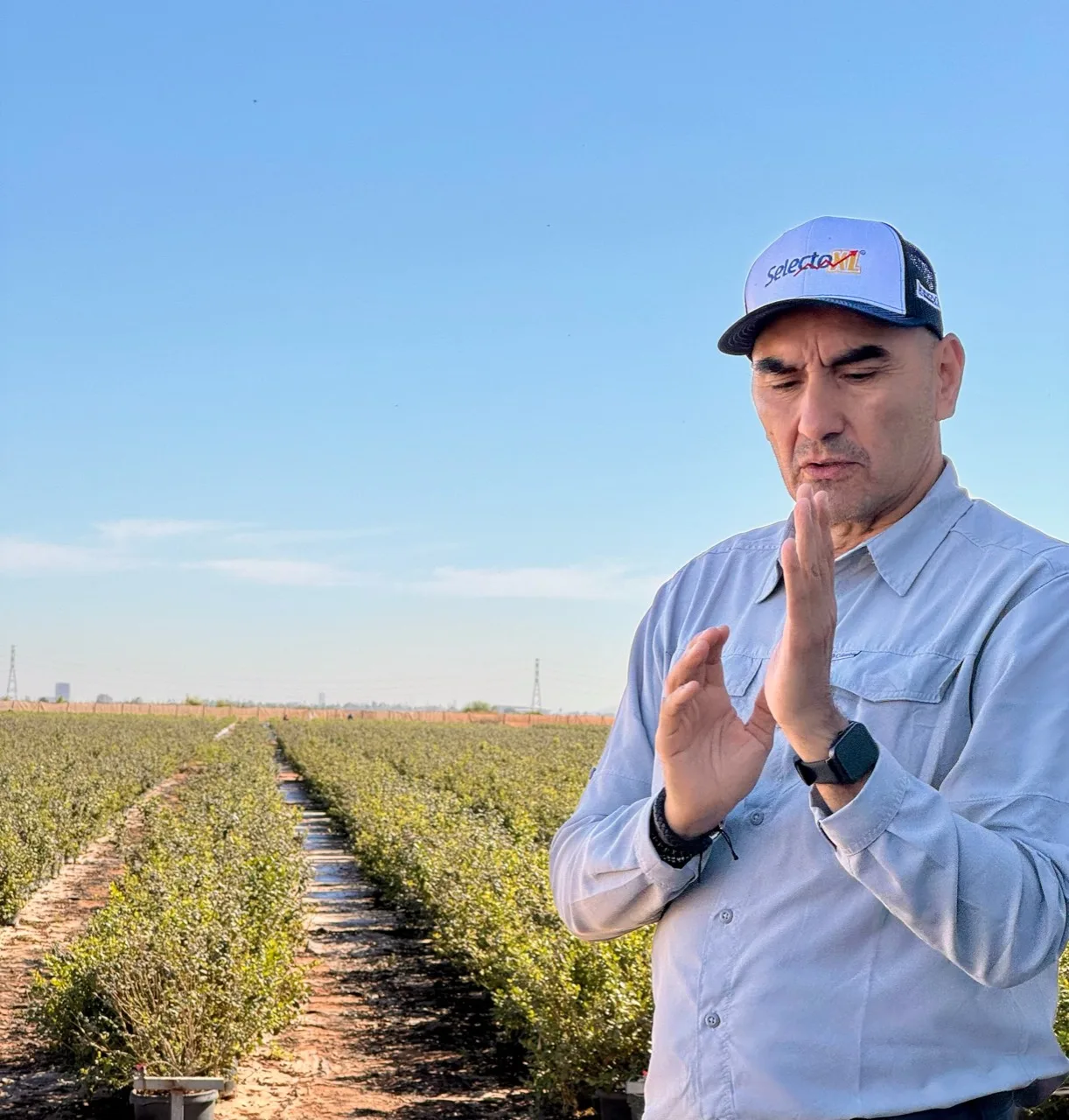
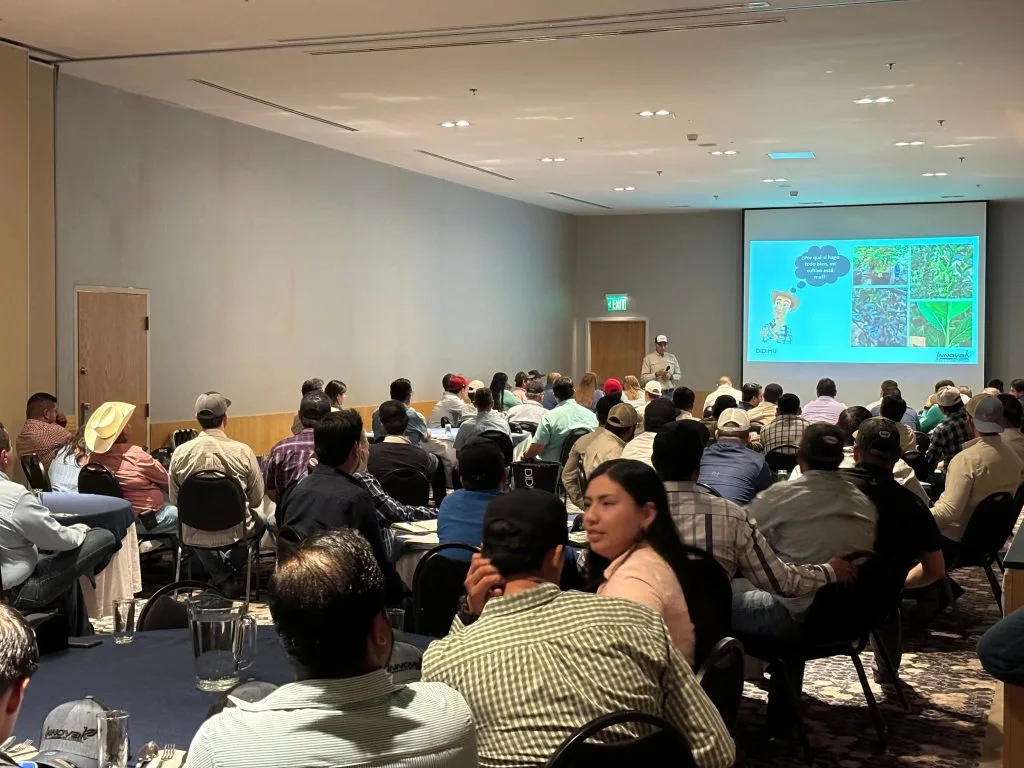
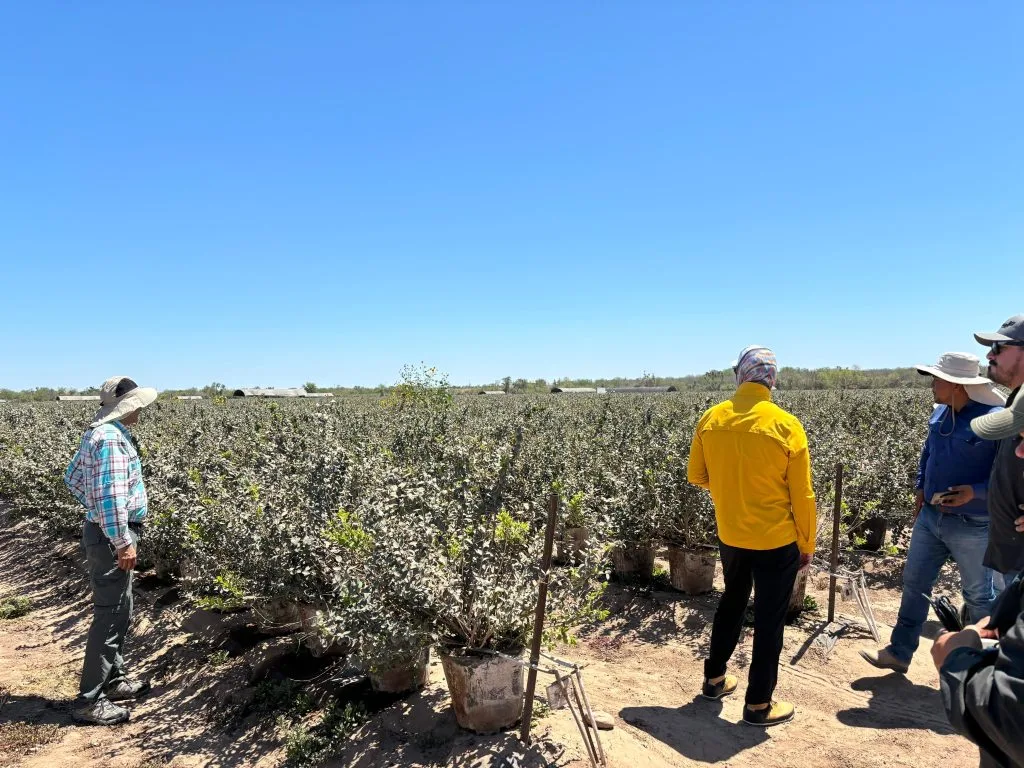
This principle became clear during Dr. Prometeo Sánchez’s recent technical tour of northern Mexico, held May 13–15. During this tour, Dr. Sánchez:
– Delivered valuable lessons both in the classroom and in the field.
– Placed a focus on climate and its influence on blueberry production, as well as on other crops.
TYPES OF YEARS: “Niño” or “Niña”:
Dr. Sánchez also highlighted the importance of understanding what type of year we are facing:
a) A “Niño” year, characterized by drought.
b) A “Niña” year, with abundant rainfall.
This distinction is crucial, since certain plant varieties adapt better to one type of year than to the other; some handle dry conditions better than rainy ones, and vice versa.
In northern Mexico, there are more “Niña” years than “Niño” years. Our farming practices are adjusted accordingly. Plant management varies significantly depending on climate conditions – from fertilization to pest and disease control.
It is essential to constantly monitor these factors:
– Temperature
– Radiation
– Humidity
To assess whether plants are working properly or are under stress.
MORE PLANT STRESS
This was another central topic of the tour. Dr. Sánchez pointed out the importance of distinguishing between:
– Biotic stress
– Abiotic stress
He also offered strategies to help plants overcome this challenge.
PRACTICAL EXAMPLE: In northern Sinaloa, blueberry plants were observed to be working only from 5:30 a.m. to 9:30 a.m. due to stress, which affects their long-term yield and health.
A POSSIBLE SOLUTION: To help mitigate this problem, several tools and techniques were explored:
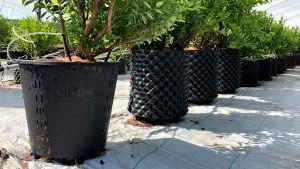
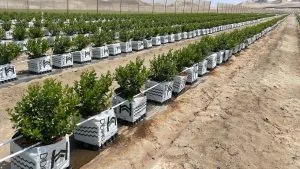
– Hydroponics.
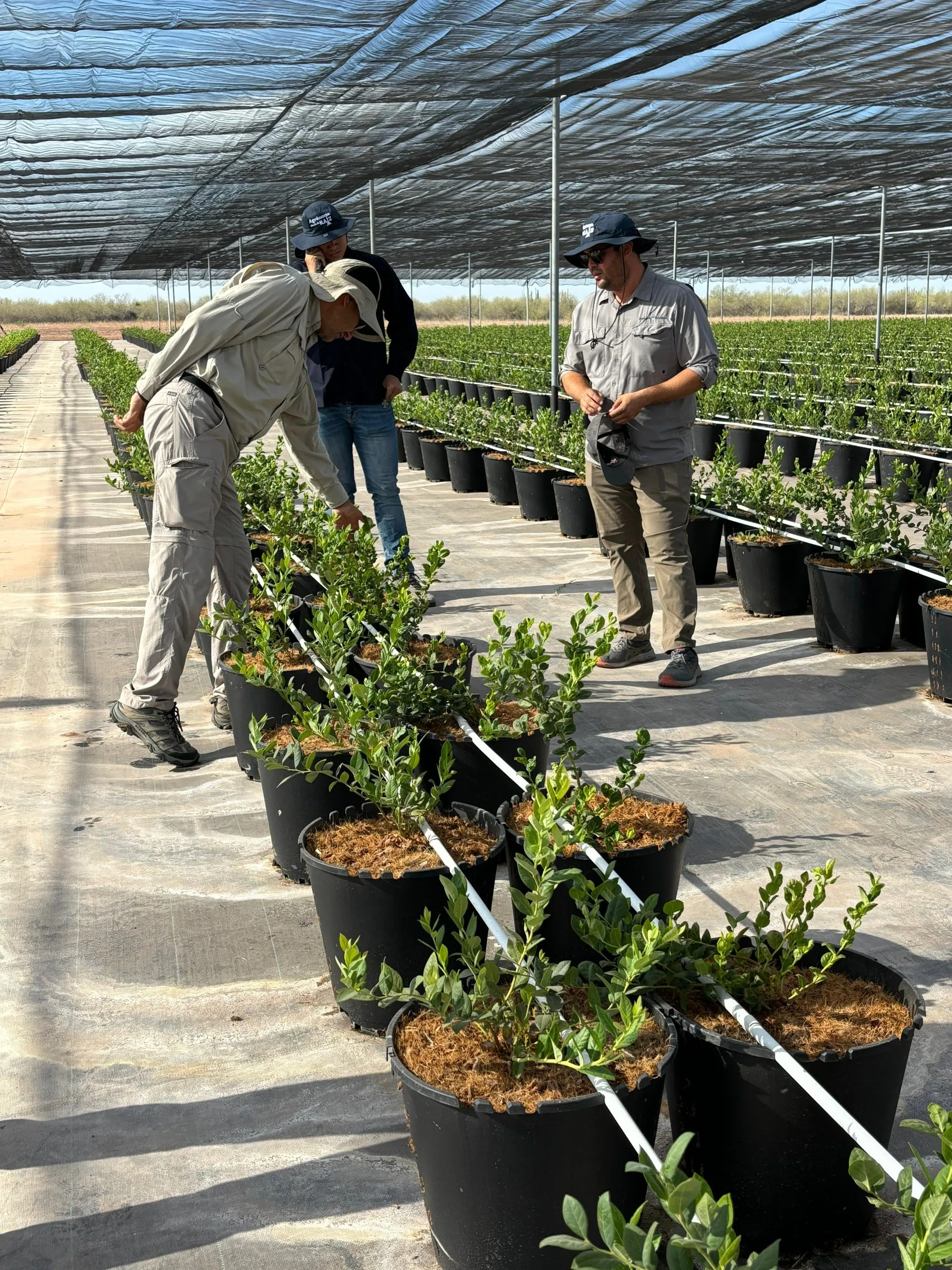
– Macro-tunnels and shade houses.
– Biostimulants.
These allow plants to work more efficiently and absorb nutrients optimally.
GENETICS:
Genetics also plays a crucial role in this context. It is essential to select varieties that are better adapted to local climate conditions, which can make all the difference in crop productivity and resilience.
FUTURE OUTLOOK:
Even with this information, adapting to a changing climate and understanding the specific needs of each year is no easy task. The lack of local data and reliance on foreign literature can pose additional challenges.
– Collecting and analyzing OUR OWN DATA is necessary to develop more effective strategies tailored to our unique conditions.
Ultimately, the key to optimizing the production of blueberries and other crops in northern Mexico lies in understanding and proactively responding to the complex interactions between climate and agriculture. Only then can we ensure healthy crops and sustainable production in the future.
Despite the difficulties, the outlook is encouraging, as other regions of the world have already begun to overcome climate stress with solutions such as hydroponic technology, biostimulation strategies, or natural alternatives like applying silicon to their crops.