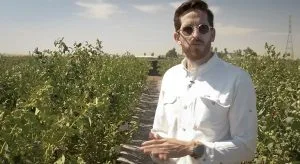
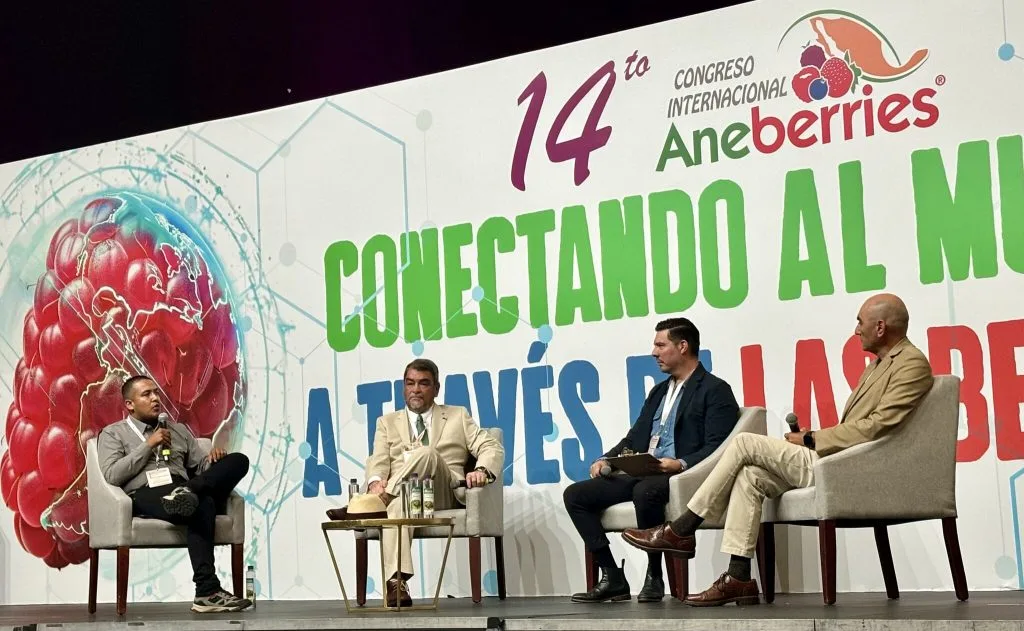
At the recent Aneberries 2024 event, a roundtable titled “Technologies and Tools to Beat Climate Stress in Berry Production” was held, with Dr. Prometeo Sánchez, Dr. Carlos Castillo and engineer Eduardo Betancourt as panelists, and David Cadena, our Co-founder and CMO, as moderator.
For an hour, the experts discussed how biostimulation, silicon, substrates, sensors, genetics and microorganisms help address the constant climate challenges in berry production.
Climate change in Mexico: shifts in temperature and relative humidity
Climate change has caused significant alterations in Mexico's environmental conditions, directly affecting agriculture. Berry growers face fluctuations in temperature and relative humidity that can compromise crop quality and yield. Adapting to these changes is crucial to maintaining productivity.
Water stress and water availability
Water stress is one of the main challenges for berry growers. Water availability is increasingly limited, and implementing efficient management strategies is essential. Drip irrigation systems and water-saving technologies are key tools for tackling this problem.
More frequent weather phenomena: La Niña and El Niño
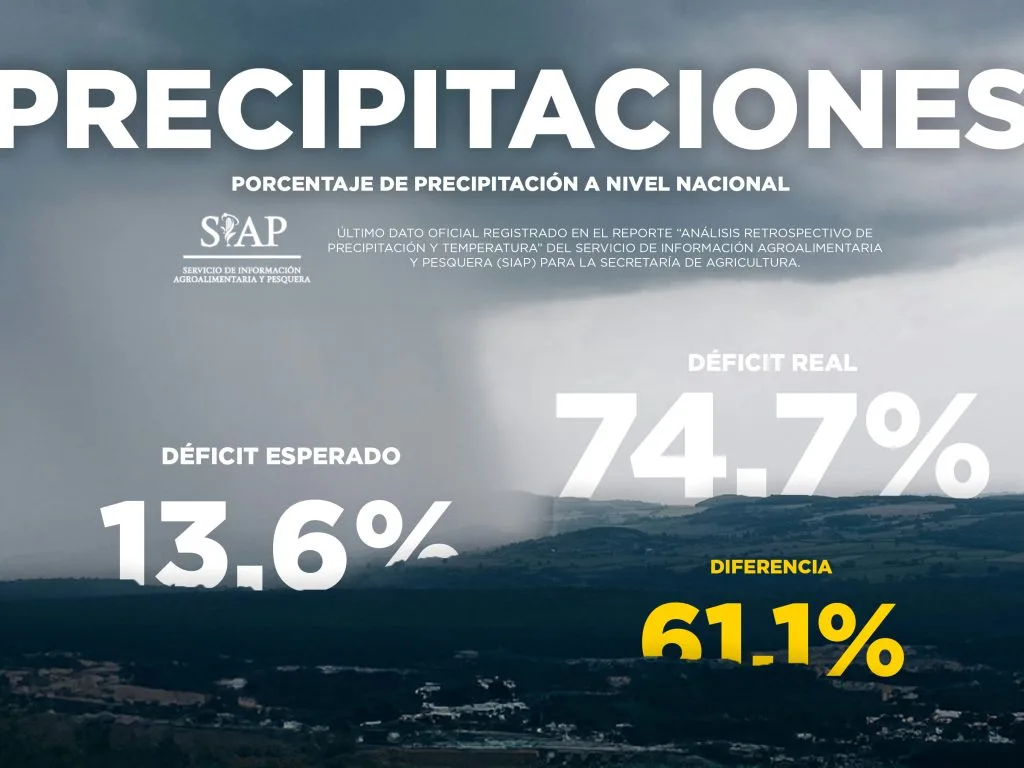
Weather phenomena such as La Niña and El Niño used to occur every 12 years. However, these events are forecast to become increasingly frequent, occurring every 6 or even every 5 years. This increases uncertainty and the need to be prepared for extreme weather conditions more often.
Soil regeneration and hydroponic alternatives
Soil regeneration is essential to keeping berry crops healthy. In addition, hydroponic alternatives offer a viable solution for reducing dependence on soil and optimizing resource use. These practices not only improve sustainability but can also increase productivity.
Monitoring: measure, document and plan based on historical data
Constant monitoring is essential for informed decision-making. Using software and sensors to measure and document environmental conditions and crop performance allows growers to make plans based on historical data. This strategy helps anticipate problems and implement solutions in a timely manner.
Higher radiation: have a line of defense
Higher solar radiation is harmful to crops. That's why it's important to have a robust line of defense: implement an emergency response plan that includes nutritional management and silicon application.
Self-regulation and foliar silicon application
Self-regulation and foliar silicon application under extreme conditions are recommended practices for coping with climate stress. Silicon acts as a natural sunscreen that protects crops and helps improve water availability for plants, contributing to their resilience.
Conclusion
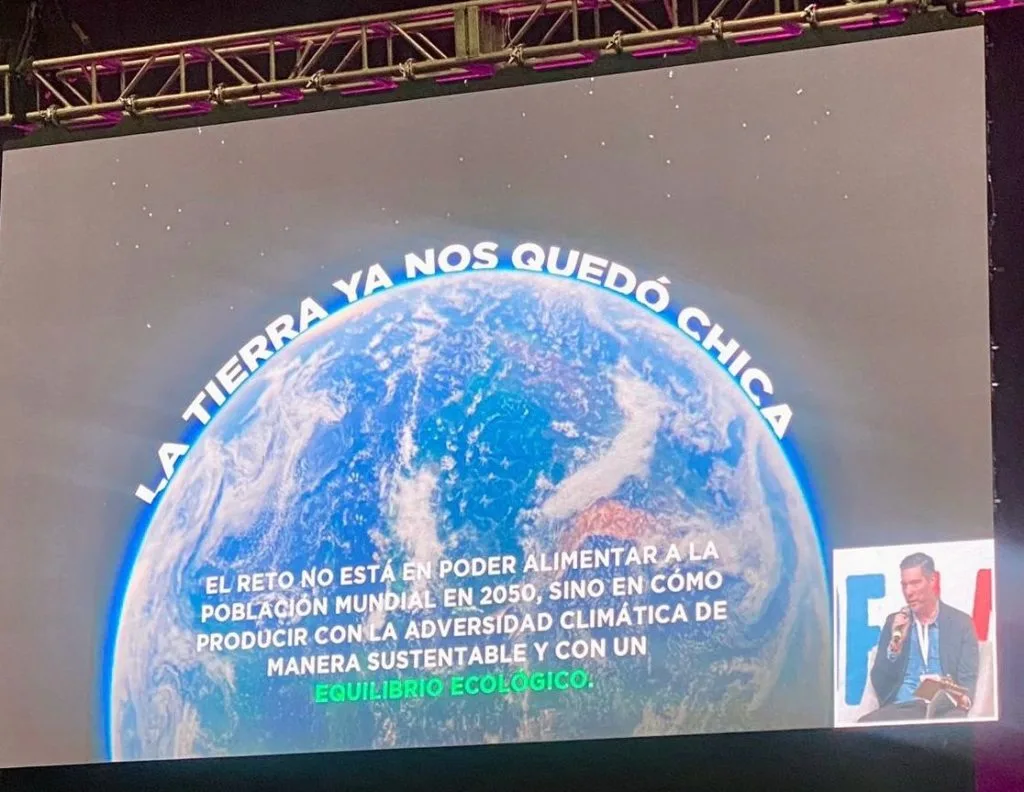
Climate change poses significant challenges for agriculture, especially for berry production. However, as highlighted at the Aneberries 2024 roundtable, the challenge is not only to produce more food, but also to increase technical capacity with technology to overcome climate challenges. It is essential to defend our business model against the climate by being productive and sustainable.