Coming from a family tradition devoted to agriculture could be an invitation to do more of the same, but not for Raúl Mercado, co-founder of DIDIHU®. For him, being the third generation involved in agriculture is about evolving, because the world's needs keep changing, and producing more with less, sustainably, is without a doubt an obligation.
After spending ten years exploring opportunities and markets in China, Raúl returned to his native Sinaloa, Mexico, to start planting blueberries alongside an agricultural inputs business, but now with a very different vision of what he needed to do: implement AgTech for hydroponics.
“I wanted to give the family farming business a new direction: moving away from grains like beans, corn and chickpeas to venture into high-tech hydroponic blueberries. Through the inputs business, I gained a lot of knowledge about innovation for growing on depleted, low-fertility land. Technology was an opportunity to be more efficient, regardless of space,” he says.
The water challenge
One of the biggest challenges in the world is what led Raúl to focus on hydroponics: due to inefficiency and global warming, water scarcity has reached alarming levels worldwide.
In 2020, the FAO reported that 3.2 billion people live
in agricultural areas with high levels of water scarcity.
And in Mexico alone, the water available for irrigation has decreased by approximately 30% in the last year, according to Conagua.

Mexico
An open mind
Along with this challenge comes what Raúl considers the biggest one of all: climate change. So, what do we do to face them? For Raúl, the answer is simple: keep an open mind today.
“We must be very open-minded to test and change the way things have been done. Problems have evolved, and we must implement hydroponic technologies that safeguard our investments,” he says.
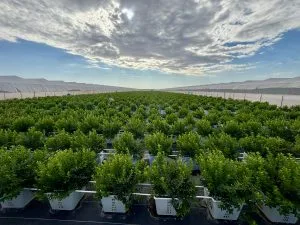
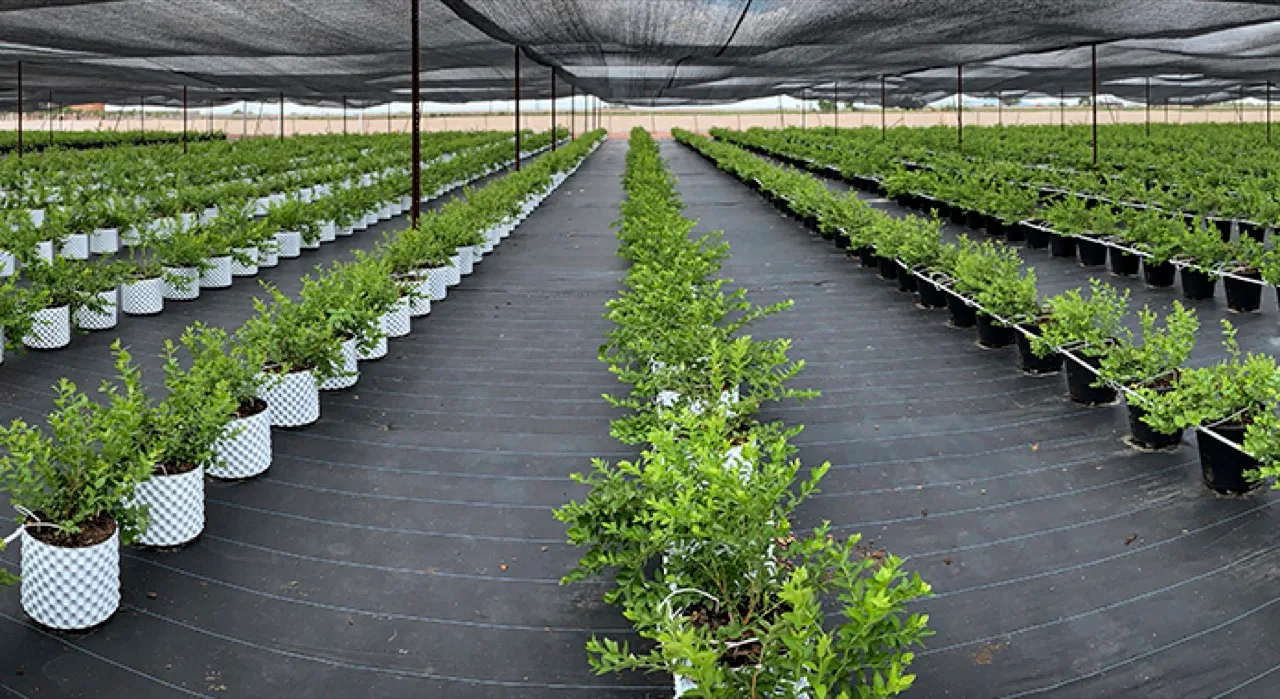
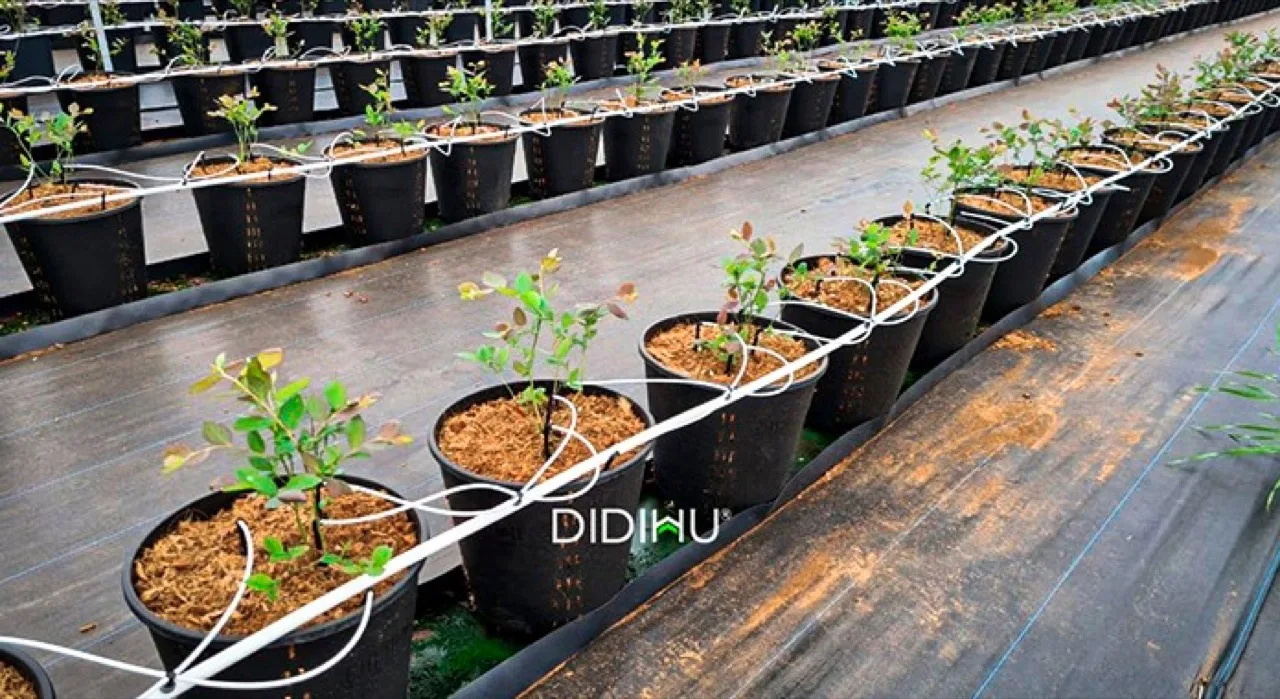
The benefits of hydroponics are clear: average planting density in soil ranges from 3,500 to 5,000 plants per hectare, while in hydroponics (pots) some sites reach 12,500 plants per hectare. It also saves between 50% and 70% of water, a major advantage in the face of water scarcity.
#AgTech in hydroponics
Berries keep growing stronger, and since the pandemic consumers have become more demanding about quality. Add to that the fact that the U.S. has lost competitiveness due to labor constraints, and that in central Mexico there is no longer land available for planting blueberries, or the plots are small; this is where hydroponics stands out: it makes it possible to achieve higher density on land unsuitable for planting, with fruit of extraordinary quality.
Raúl advises anyone interested in implementing this technology to first talk with those who already work with hydroponics, so they can learn about the good and bad practices others have experienced and shorten their own learning curve.
“We urgently need to make the switch because the need for food keeps growing, so, I repeat, we need to do more with less,” he emphasizes.
Technology by growers, for growers
Driven by that premise and backed by extensive research and the experience Raúl gained in international trade, he decided to design and manufacture his own products. That is how DIDIHU® was born, a company that has brought technology to more than 2,500 ha in the U.S., Colombia, China, Peru and virtually every blueberry-growing region in Mexico.
The fact that they are growers themselves is what has set DIDIHU® apart, since they understand firsthand the needs and problems each of their customers faces, or, as Raúl prefers to call them, their friends.
For Raúl, the goal is clear: “My vision is to drive the sustainable agriculture movement, bring AgTech in hydroponics to every agricultural region in the world, and help as many growers as possible produce more with less, sustainably. It is a life mission worth fighting for.”

This article was first published on blueberriesconsulting.com. To read the original story, click HERE.