Blueberry production is constantly evolving, and with growing global demand, growers are looking for solutions that allow them to optimize their crops and obtain high-quality harvests more efficiently. One of the most notable innovations in this field is the SQ system, which is transforming the way this superfood is produced.
What is the SQ system?
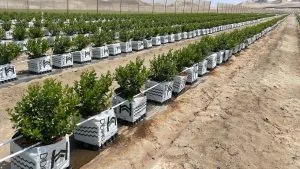
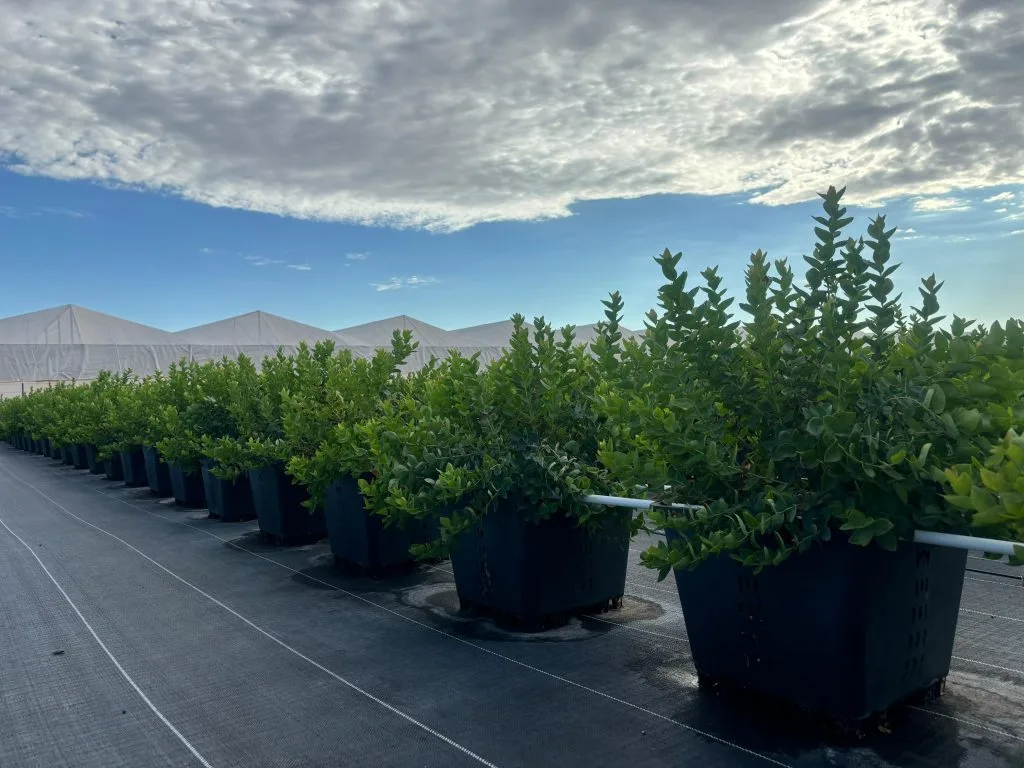
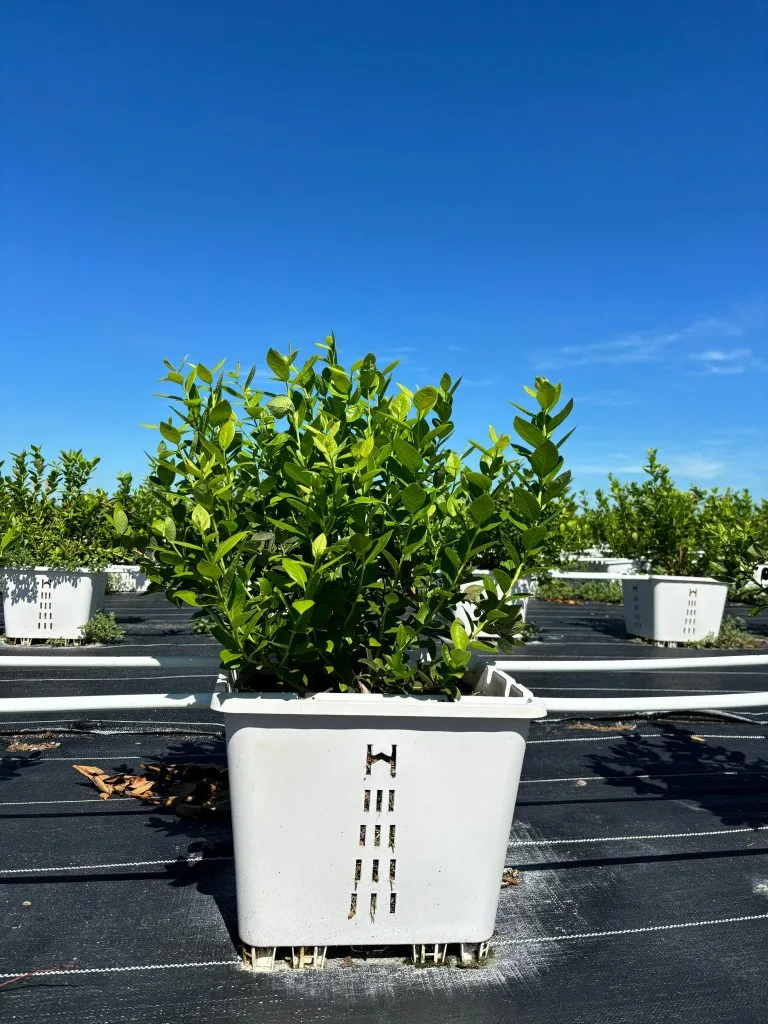
The SQ system, made up of the Naked Block SQ and the POTHU SQ, has become a key tool for standardizing blueberry production in hydroponic systems. The system is based on naked blocks and square pots, with or without slots, specially designed to optimize plant growth and management, offering a number of benefits for growers.
Advantages of the SQ system
Reduced labor: using the Naked Block SQ and POTHU SQ makes it easier to automate many processes, from planting to harvest. Because the system standardizes operations, less human intervention is required, which significantly reduces labor needs.
Lower costs: by reducing labor, operating costs drop considerably. In addition, space optimization and the efficient use of inputs in the SQ system allow for higher yield per plant without increasing expenses.
Streamlined processes: implementing this system speeds up many stages of the crop cycle. By standardizing operations, growers can manage large production areas faster and more efficiently, resulting in more continuous and controlled production.
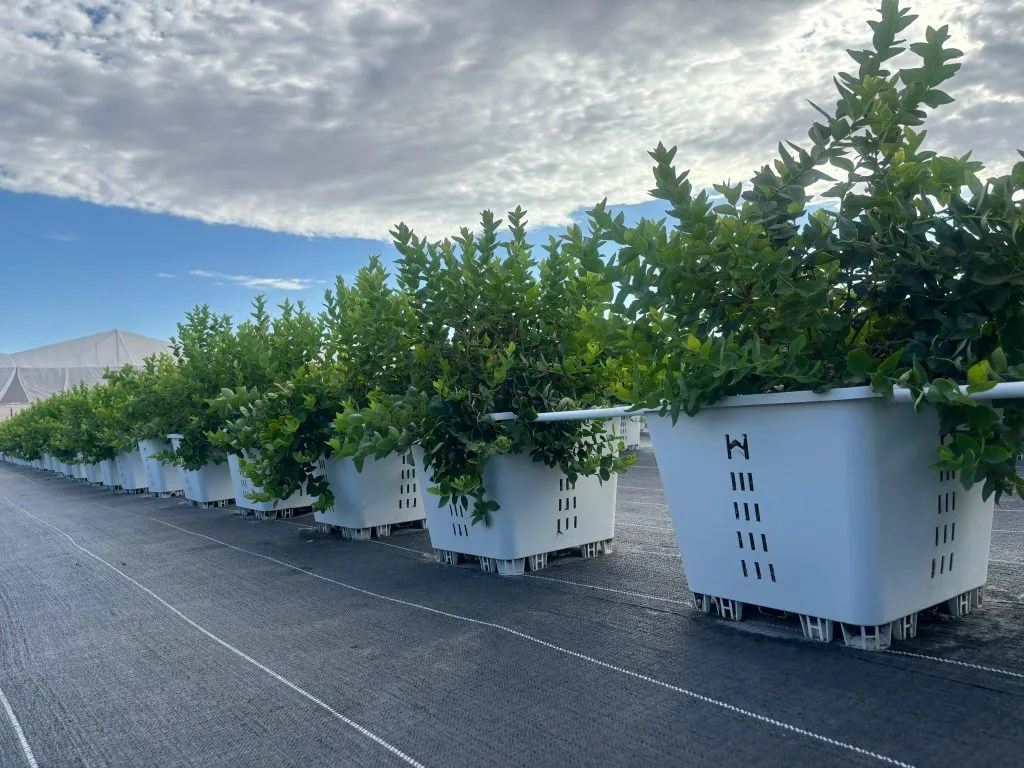
Naked Block SQ and POTHU SQ: the perfect pair
The Naked Block SQ is a block without substrate that provides an optimal environment for blueberry root growth, allowing better absorption of nutrients and water. The POTHU SQ, for its part, is a square pot that makes plant handling easier and promotes aeration and drainage, key factors in developing healthy, productive plants.
Together, these elements offer a solution that not only improves crop yield but is also easy to implement and manage. Thanks to the SQ system, growers can ensure their crops grow uniformly and with less variation, resulting in high-quality blueberries at every harvest.
How does it work?
Here is a video showing you how to implement this system: