Mexico's berry industry remains on a path of sustained growth, with production projected at approximately 1.2 million metric tons for 2026, which would represent an increase of nearly 4% over the previous year.
According to the annual report from the USDA Foreign Agricultural Service, this growth is linked to factors such as the adoption of new varieties, productivity improvements, and increased use of technology in the production system
A well-defined geography
The development of Mexico's berry sector is highly concentrated by region. States such as Michoacán, Jalisco, Baja California, and Sinaloa continue to lead national production, with specialization by crop and distinct agroclimatic conditions.
In this context, San Quintín, in Baja California, stands out as one of the country's main production hubs.
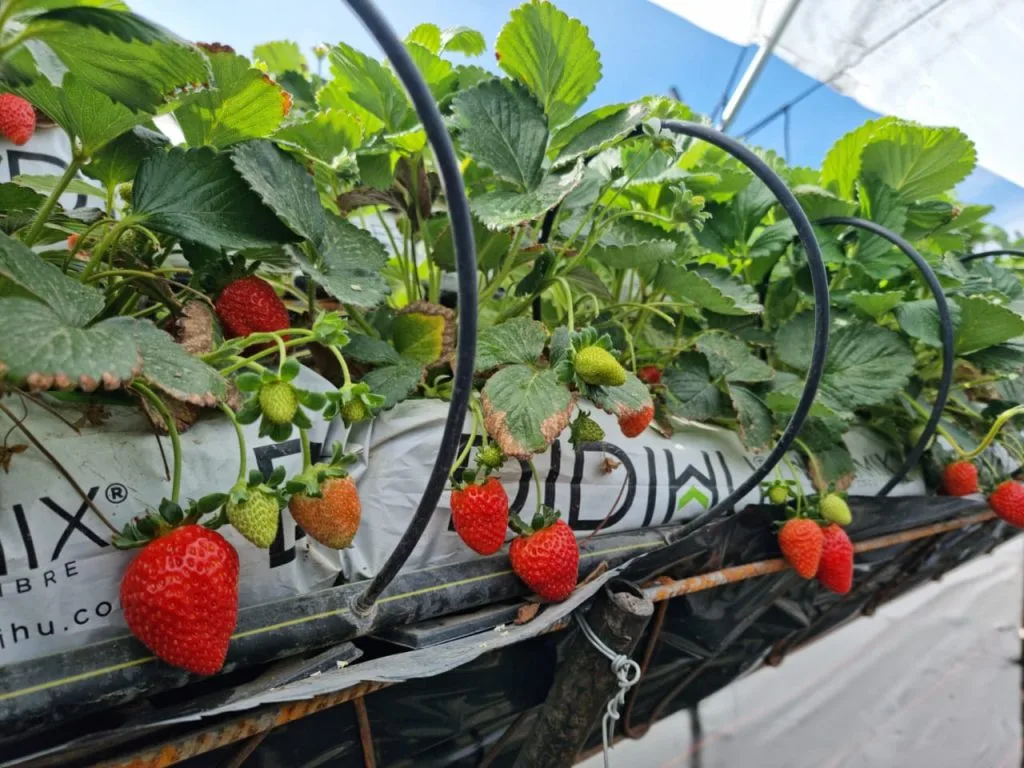
According to Agronometrics, the San Quintín region produces around 112,000 metric tons of strawberries, positioning it as one of the most important areas in the country's production of this crop.
Beyond its volume, its geographic location allows it to participate in early market windows, a relevant factor in the dynamics of international berry supply.
Strawberry: the backbone of national volume
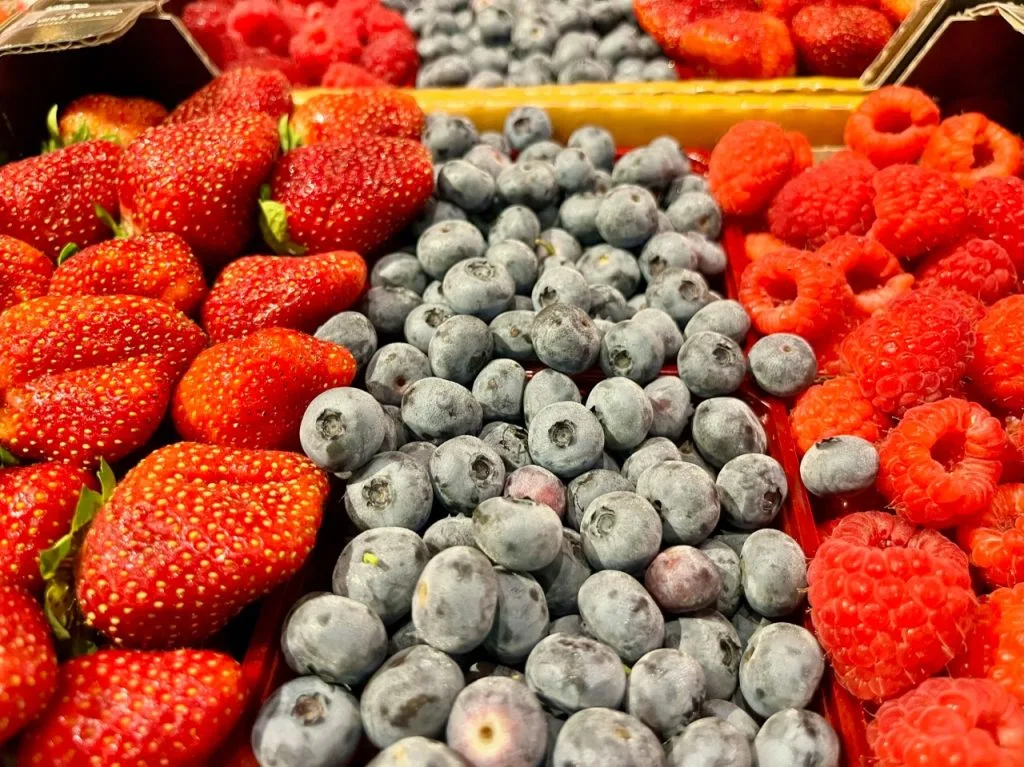
Strawberries remain the predominant crop, accounting for approximately 54% of total production, with estimated growth of nearly 2%.
According to the USDA FAS, production is concentrated mainly in Michoacán, a state that contributes more than 60% of national volume.
Blueberry: accelerated growth
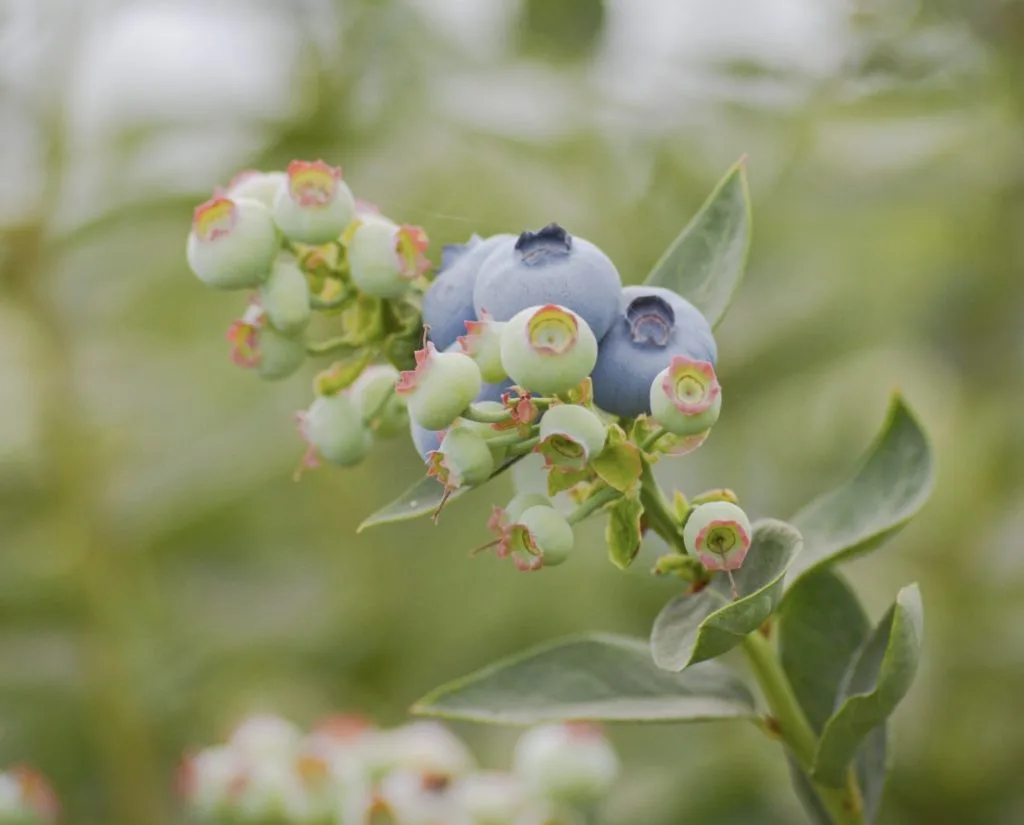
Blueberries are the most dynamic crop, with projected growth of up to 16%.
According to Agronometrics, this growth is partly a response to adjustments in production windows to reduce direct competition with other exporting countries.
The main producing states include Jalisco, Michoacán, and Sinaloa.
Raspberry: sustained expansion
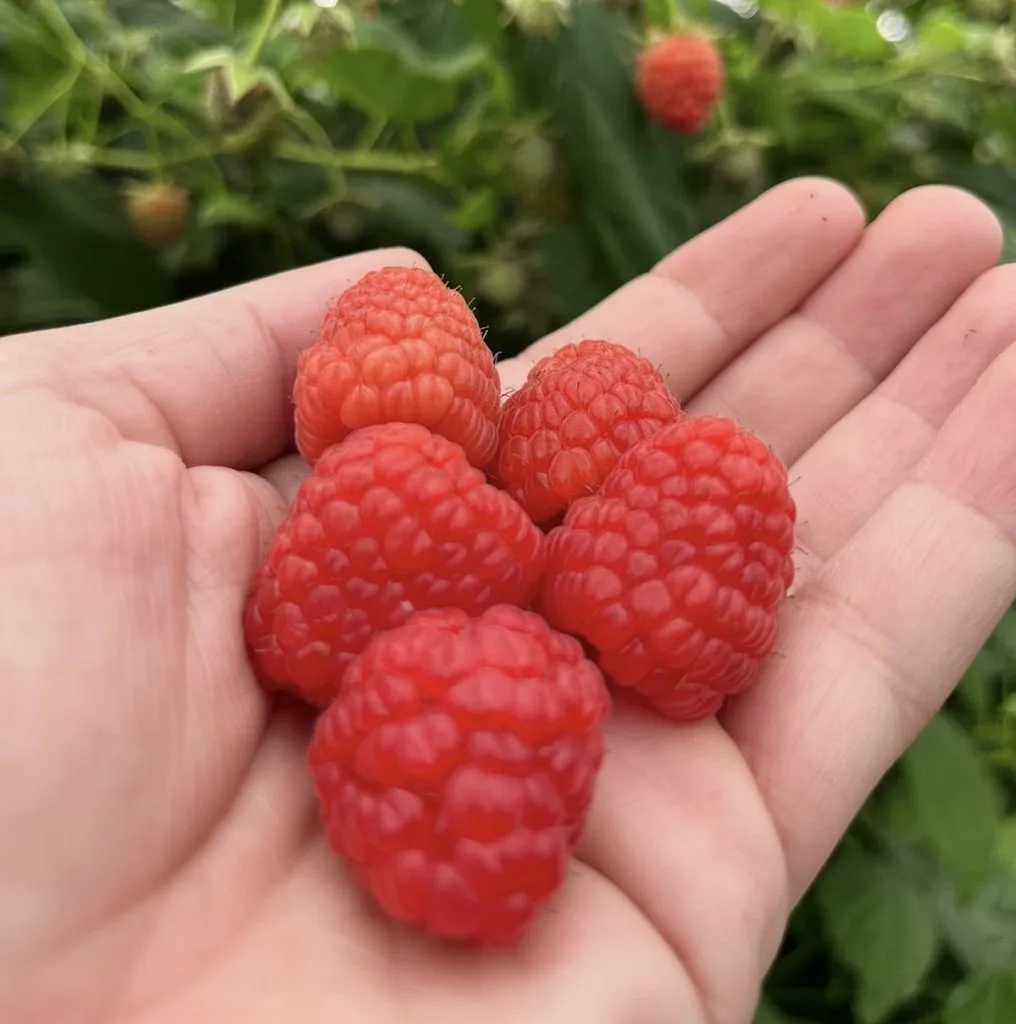
Raspberries show estimated growth of nearly 7%, driven by yield improvements and the adoption of new varieties.
According to USDA FAS data, approximately 80% of production is exported.
Blackberry: varietal transition
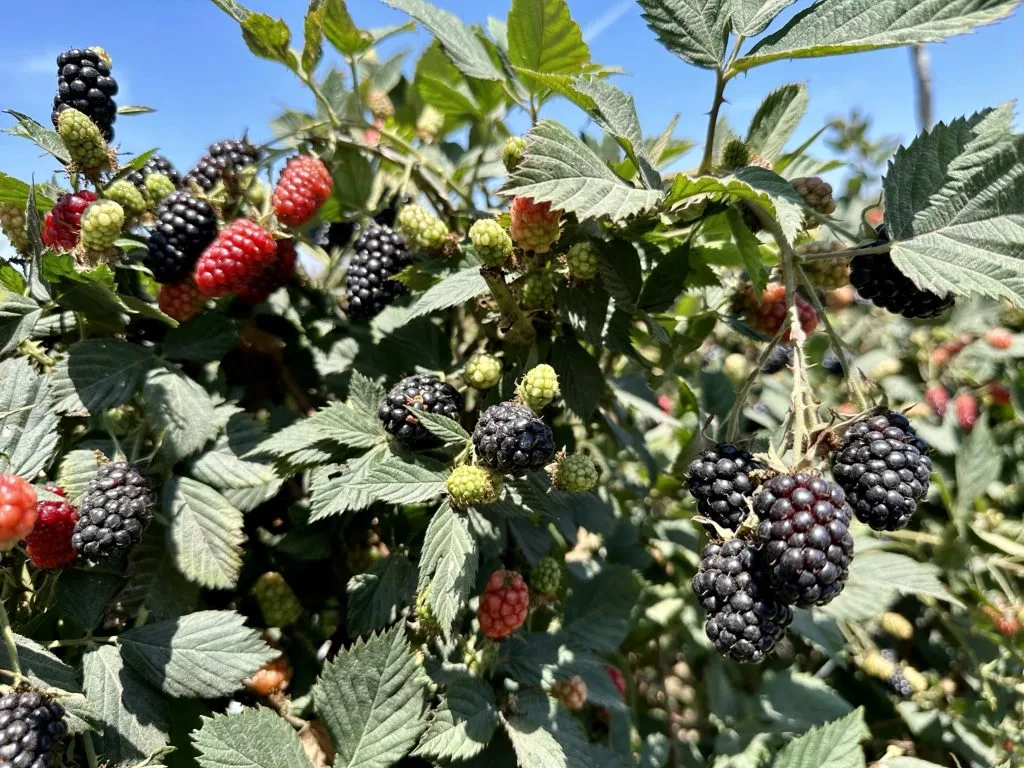
Blackberries show more moderate growth (~3%), with a transition underway toward more productive varieties.
The USDA FAS notes that this shift aims to improve the crop's efficiency and competitiveness in the medium term.
Exports: the core of the sector
The production model of Mexico's berry sector is strongly export-oriented.
Information from the USDA Foreign Agricultural Service indicates that approximately 80% of production goes to the United States market, cementing Mexico as its leading supplier of fresh berries.
According to Agronometrics, the sector's growth is accompanied by structural changes, including:
- Adoption of premium varieties
- Greater control over growing conditions
- Adjustment of marketing windows
The projected growth of Mexico's berry industry for 2026 reflects not only an expansion in volume, but also an evolution in how the sector positions itself in the international market.
Cases like San Quintín, with significant strawberry production and participation in strategic windows, illustrate how geographic, production, and commercial factors converge to consolidate the country as a key player in the global berry industry.
Source: Agronometrics / USDA FAS