The battle on the tomato border
New tariffs on Mexican tomatoes reignite the debate over quality, trade, and the future of agriculture. Inspired by an article in the New York Times, this issue affects consumers, growers, and suppliers alike.
Flavor and technology: the new standard
Today, flavor and quality are essential. Innovating in inputs — such as advanced growing media — makes the difference in staying competitive.
Direct and indirect effects
Although the goal is to protect the U.S. industry, the results are often different:
- Consumers pay more and get lower-quality tomatoes.
- Mexican growers face barriers and less accessible markets.
- Florida tomatoes sacrifice flavor for shipping durability.
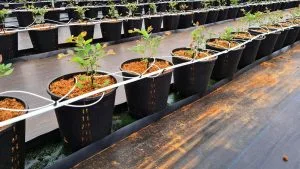
Mexican tomatoes respond with better practices and technology, using modern substrates to deliver superior products.
Impact on the agricultural chain
The consequences of these changes reach the entire production chain:
- Carriers and operators adjust their workflows.
- Growers and farmworkers face uncertainty.
- Input suppliers innovate to adapt.
How can you compete in this scenario?
Growers can improve and adapt to change:
- Investing in high-quality growing media.
- Seeking practices that raise standards and efficiency.
- Training in technologies that help them cope with market volatility.
Protected agriculture: the near future
The real competition lies in protected agriculture and modern greenhouses:
- They allow greater control and better quality.
- Premium substrates enhance flavor and nutritional value.
- Sustainability and efficiency open up new markets.
Innovating and partnering
with strategic allies strengthens the industry and improves the well-being of those who consume these foods.
Do you consider origin and quality when you choose your tomatoes?