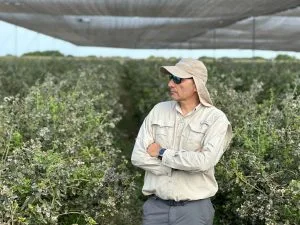
Protected agriculture in Mexico, especially berries and hydroponic vegetables, remains on a path of sustained growth. However, the global context of 2026 introduces a critical variable: logistics disruptions in key inputs.
The berry industry is expected to reach approximately 1.2 million tons in 2026, with growth of nearly 4%. This progress is driven by crops such as blueberries (+16%), raspberries (+7%), and strawberries, which continue to account for about 54% of total volume (USDA FAS, 2026; Agrolatam, 2026).
At the same time, hydroponics in Mexico continues to gain ground, with a market projected to reach $135 million by 2035, driven by systems that are more efficient in water use, space, and production control.
But this efficiency has a direct dependency: the timely availability of inputs.
Global logistics disruptions: the game-changing factor
The global environment in 2026 is marked by a slowdown in international trade, with estimated growth of just 1.9% (WTO, 2026).
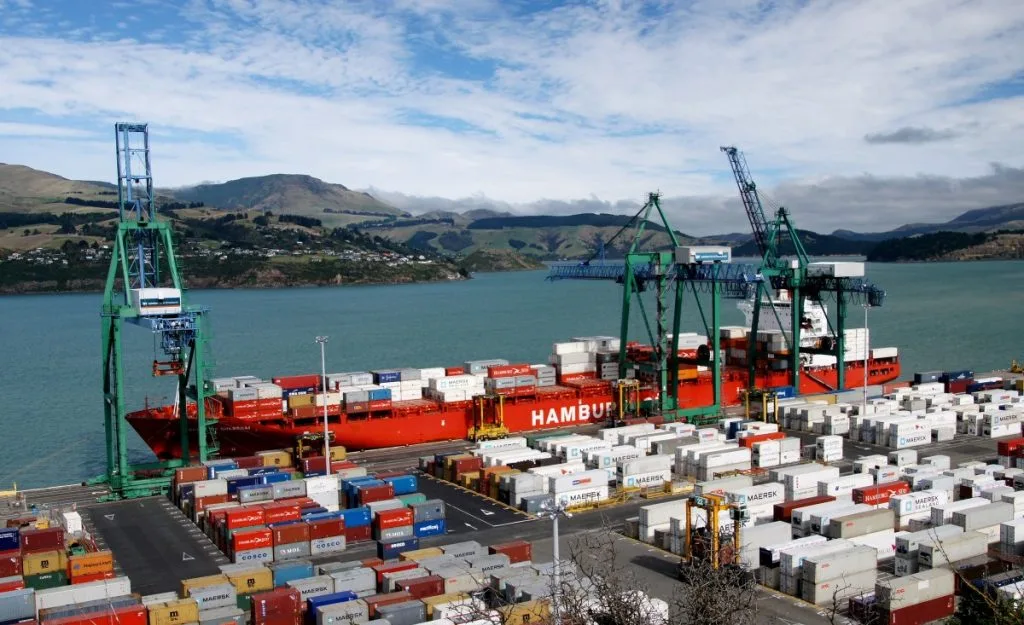
Added to this are geopolitical tensions, blockages on shipping routes, and pressure on supply chains, directly affecting agricultural inputs such as fertilizers, substrates, and imported materials (Infobae, 2026; Agrolatam, 2026).
In Mexico, retroactive tax changes on coconut fiber have created additional uncertainty in the supply chain (Agtech America, 2026).
The result is clear: lower availability, higher costs, and less predictable delivery times.
Drought and inputs: direct pressure on operations
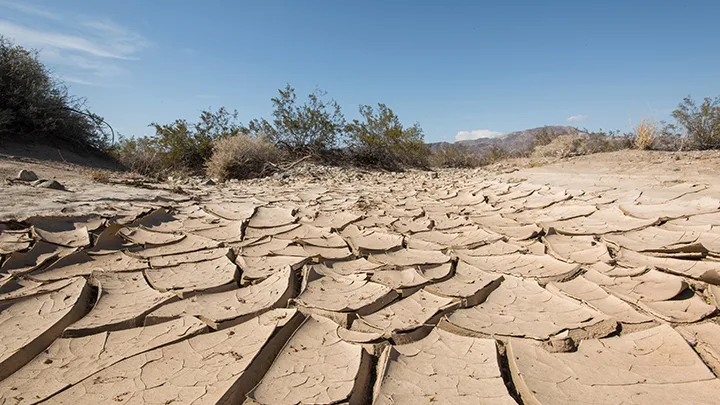
The water situation makes the scenario worse. Approximately 45% of the country is experiencing drought conditions, which has impacted agricultural production in various regions (Geoscience SI, 2025).
In areas such as Sonora and Sinaloa, production declines of between 15% and 25% have been observed, forcing growers to adopt strategies such as water recirculation and tighter control in hydroponic systems (Portal Frutícola, 2025).
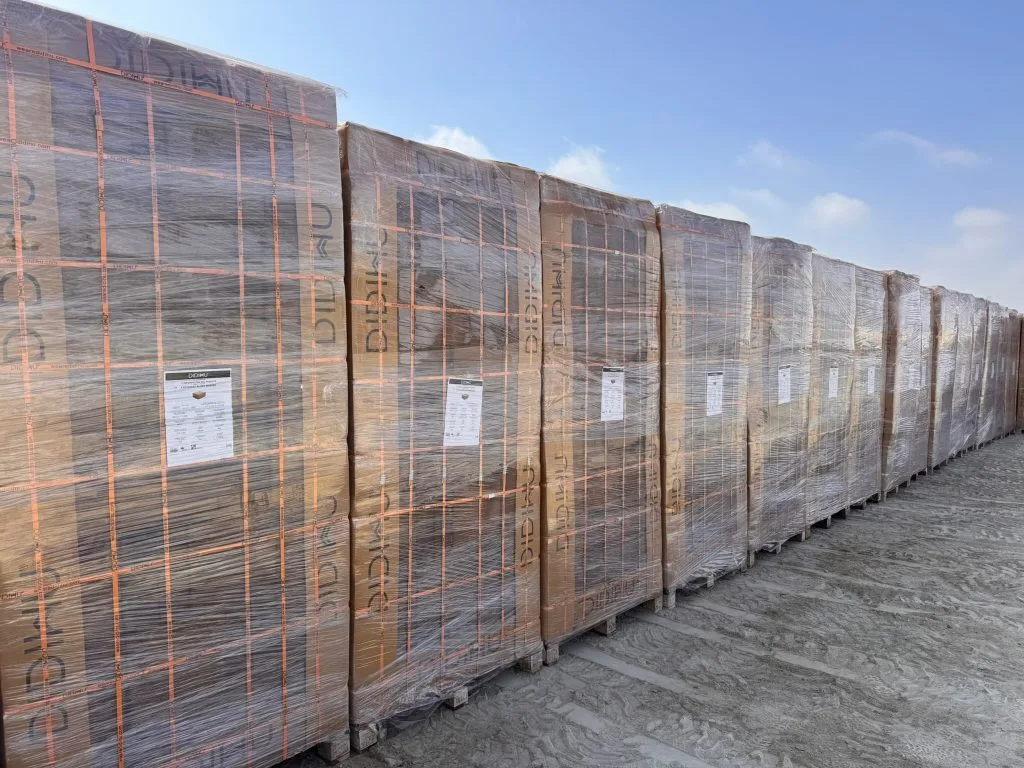
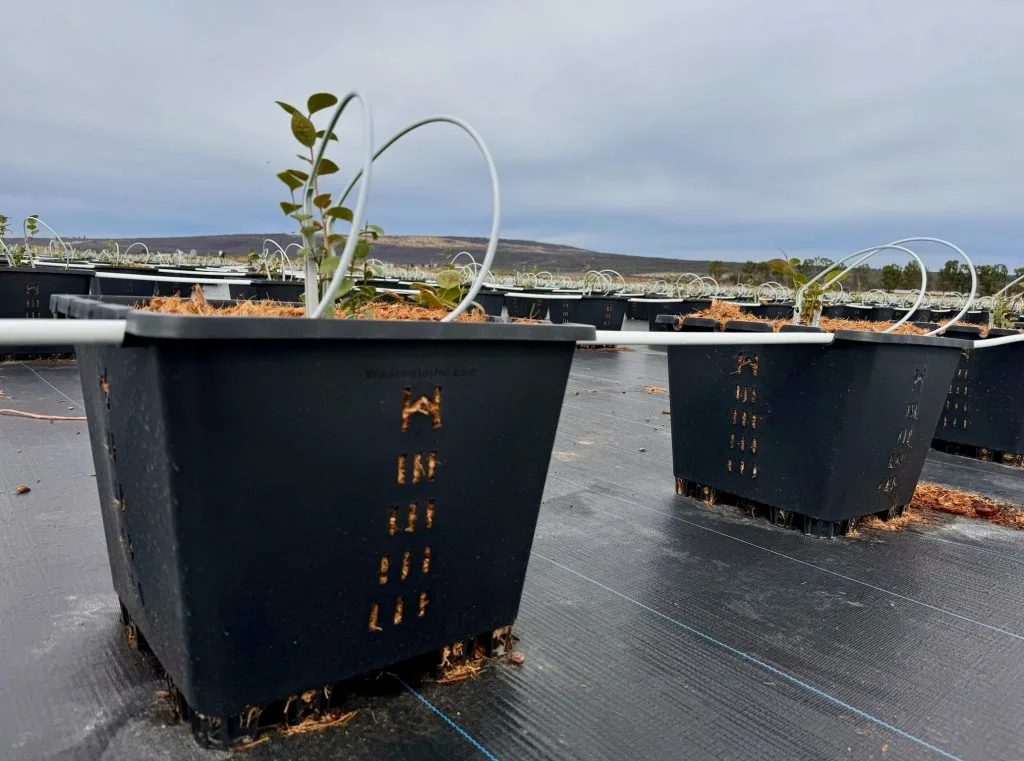
In this environment, inputs such as substrates (coconut fiber) and hydroponic pots become critical to sustaining operations.
Planning ahead: the difference between operating and reacting
Faced with this scenario, the factor that separates stable projects from vulnerable ones is planning ahead.
Growers who are sustaining their operations share clear patterns:
*Input planning 6 to 12 months in advance
*Diversification of suppliers
*Early definition of volumes and schedules
*Evaluation of local alternatives to reduce logistics dependency (Agtech America, 2026)
The goal: take the pressure off at critical moments in the cycle.
Coconut fiber and hydroponic pots: decisions that impact the entire cycle
In this context, planning inputs such as coconut fiber and hydroponic pots is a strategic decision.
These components define:
– Root behavior
– Irrigation efficiency
– Crop stability
– The ability to respond to climate conditions
When these inputs arrive late or are substituted based on availability, the impact is directly financial.
Conclusion: timing is productive, too
The agricultural sector in Mexico continues to grow, but in a more uncertain environment.
Today, factors such as logistics, input availability, and the global context have a direct bearing on the profitability of every project.
In this scenario, ordering substrates and hydroponic pots in advance is no longer just a competitive advantage; it becomes an operating requirement.
Planning ahead not only ensures continuity; it also lets you make decisions with room to maneuver.
If you are planning your next cycle, now is the time to get ahead of your coconut fiber and hydroponic pot requirements. Write to us and we’ll work with you on the best configuration for your project.
Sources: USDA FAS, Agrolatam, Expert Reports, Infobae, Portal Frutícola.