In 1974, the 1:1.5 dilution method (Sonneveld et al., 1974) was published as a water extraction method for determining the available nutrients and salinity status of porous organic substrates.
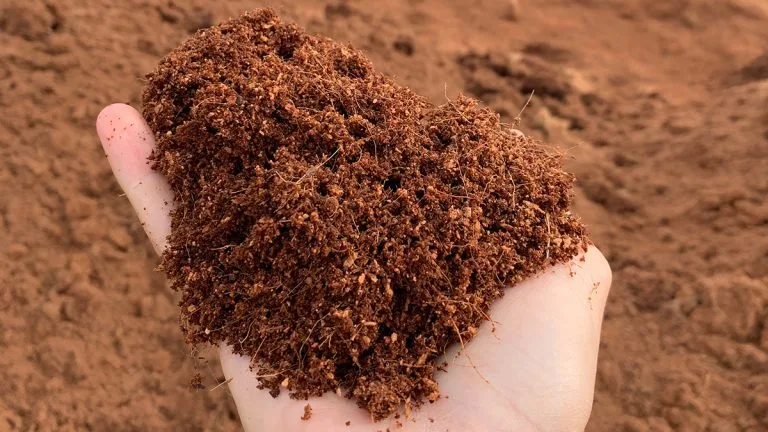
The method has been widely used and provides a sound basis for fertilizing organic substrates such as coconut fiber.
The aqueous extract is obtained by combining an appropriate volume of substrate (previously moistened to container capacity) with distilled or deionized water at a 1:1.5 ratio.
Below, we explain the steps for measuring the electrical conductivity and pH of your coconut fiber using the Sonneveld method.
*Remember that EC values for this method are expressed in mS/cm.
There is also another method that helps us measure pH and electrical conductivity, called the Dilution Method, which can be done in 4 simple steps.
1:2 Dilution Method
- Combine one part coconut fiber with 2 parts distilled water (neutral pH, no added minerals) in a clean beaker or container. For example, 50 ml of fiber with 100 ml of distilled water, or 1 cup of fiber with 2 cups of water.
- Mix and let the sample sit for half an hour to equilibrate.
- Pour the mixture into a clean funnel lined with filter paper.
- Collect the extract in a clean container, stir again, and place drops of the extract on a calibrated pH sensor and a conductivity sensor.