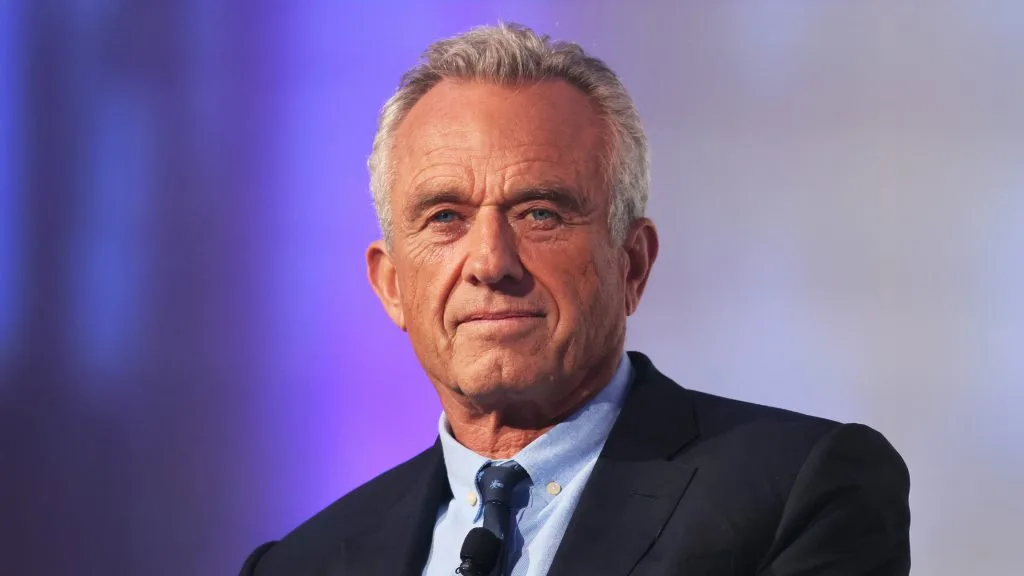
On November 14, U.S. President-elect Donald Trump announced his choice of Robert F. Kennedy Jr. as the next Secretary of the Department of Health and Human Services (HHS). The decision has sparked a wave of reactions, both inside and outside the United States, given Kennedy's controversial profile: in addition to belonging to one of the country's most influential dynasties, he has been a committed activist in the fight against pesticide use and in promoting a health agenda that challenges the conventional model of public health and the pharmaceutical industry.
Known for his critical stance toward large corporations, especially regarding pesticides and food additives, he has stated that one of the biggest challenges to Americans' health is the “chronic disease epidemic,” which includes obesity, diabetes, autism, mental illness and heart disease.
According to him, these conditions are the direct result of exposure to harmful chemicals found in processed foods, pesticides and pharmaceutical products. Hence his banner, Make America Healthy Again (#MAHA).
In the following video, he goes deeper into this topic:
Kennedy Jr. points out that life expectancy has fallen among Americans (more than among Canadians, Japanese, Koreans, Australians, etc.). But it wasn't always this way: until the early 1990s, their life expectancy was equal to or better than that of other developed countries. Then, suddenly, they began to suffer from chronic diseases such as obesity, cancer, diabetes, kidney disease, Alzheimer's, heart disease and all kinds of autoimmune diseases.
Maternal and infant mortality rates soared to the highest of any developed country.
We have been getting sick and, what is worse, we have come to accept it as normal.
How did this happen? Much of it comes down to our diet. Many of the ingredients in the ultra-processed foods (and even children's vitamins and syrups) that we include in our diet are poison. One example is the yellow dye Hydrazine, which is extremely toxic and harmful to both the environment and humans.
“If we remove all these chemicals, our country would be healthier and live longer,” he says.
That is why there will be an all-out war on ultra-processed foods, and much of the innovation would have to be brought to the field to replace these unhealthy diets that do so much harm.
Impact on agriculture
One of the pillars of his proposal is the drastic reduction of pesticides in agriculture, which he considers one of the causes contributing to the growing health crisis. The indiscriminate use of these chemicals has been the target of his criticism for years, and, as Secretary of Health, Kennedy pledged to push policies to eliminate or reduce these toxic agents in the food that reaches Americans' tables.
This stance could have a profound impact on the U.S. agricultural sector. Farmers who depend on pesticides to keep their crops healthy could be forced to adopt more sustainable practices that are less dependent on these products. This would mean a transformation in the way many of the foods Americans eat are produced, favoring a more ecological model that is less focused on short-term efficiency and profitability.
Biorational production
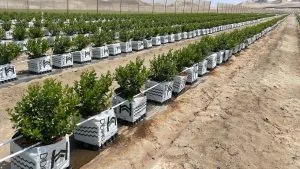
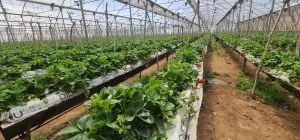
However, beyond the immediate effects on U.S. agriculture, this policy could represent an opportunity for other countries, such as Mexico, that are already developing more sustainable alternatives in food production. One path forward could be the promotion of biorational food production.
The concept of biorational refers to agricultural methods that integrate biology and ecology to control pests and diseases without resorting to traditional chemical pesticides. This practice relies on natural solutions, such as beneficial insects, microorganisms or plant-derived products, to reduce dependence on synthetic chemicals. At the same time, it promotes ecological balance and reduces the environmental impact of agriculture.
Mexico, with its unique biodiversity and experience in agricultural production, has the opportunity to become a leader in biorational food production, taking advantage of the growing global demand for chemical-free products. By aligning with these trends, our country could attract international investment, improve the quality of its agricultural products and, most importantly, promote healthier agriculture for growers and consumers alike.
Opportunity for Mexico
This is a key moment for Mexico to capitalize on the paradigm shift in food production that Kennedy's appointment is driving in the United States. By focusing on biorational agriculture, we could not only improve public health nationwide, but also position ourselves as a global supplier of more sustainable and healthier food, taking advantage of growing worldwide concern for food security and environmental health. The reform of the U.S. health system driven by Kennedy could pave the way for closer collaboration between Mexico and the United States in key areas such as food security, preventive health and the development of innovative agricultural technologies.
Today, more than ever, we are living through times of major change. People's health is increasingly deteriorating, and it is ironic that, at a time when more is being invested in public health than ever, chronic diseases keep growing.
If we take into account what is happening in the United States, we can see that what is at stake is not only the health of a nation, but an agricultural and food model that, like its health system, urgently needs a transformation toward sustainability and the protection of natural resources… And Mexico has the opportunity to be part of that solution.
However, this opportunity to produce biorational food, given the current geopolitical landscape in North America, goes hand in hand with the goal of feeding nearly 600 million people in North America. How can we produce and distribute biorational food (with fewer chemicals) and make it affordable? The challenge is enormous, but more than an opportunity, addressing this situation, given the possible restrictions Kennedy Jr. may impose, would be an obligation. Is it viable?