The modern grower's goal is to produce with precision and hit the commercial windows of the export markets that pay the best prices. To achieve this, we need standardized production systems. Custom-designed coconut fiber substrates have become the ideal medium for building these true fruit and vegetable factories.
Why do plants prefer coconut substrate?
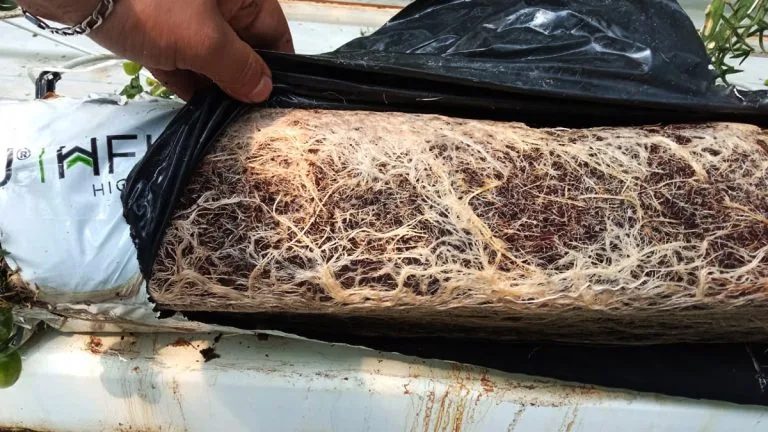
Plants feel right at home in coco, since it brings multiple beneficial properties as a growing medium for the crop. First, the fiber absorbs water and nutrients very quickly. It also increases water retention while optimizing its distribution, releasing it gradually to the root through its millions of capillary sponges.
Second, adding the fiber can increase the air content within the mix. This may sound strange because coconut fiber has a fairly fine structure, but its micro-composition promotes the free flow of oxygen, resulting in a better-balanced plant.
Why growers prefer it
Higher yields
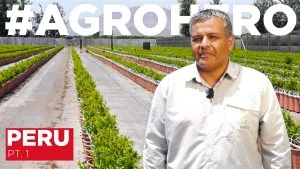
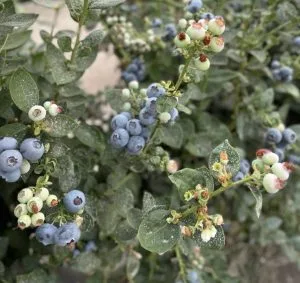
According to agricultural engineer Raúl Mercado Mexía, a blueberry grower at Agrícola Mercaberries: “When we started planting blueberries, we began in soil because of costs. We ran the numbers and saw that it made sense to invest in substrate and move to hydroponics. Plant density is much higher than in soil plantings. With coconut fiber, the plant assimilates its nutrition much better and it's clear the plants are more comfortable. The plant tells you right away, and it shows in higher production.”
Less water and fertilizer
Second, since water scarcity is a growing problem for many growers around the world, switching crops to a substrate medium can help solve this problem, since irrigation can be applied much more precisely.
Mercado adds: “We are facing an enormous challenge: producing more with less, intensively, sustainably, and profitably. As growers, we must lead by example and implement technology that helps us produce more with quality while achieving ecological balance. We have to work with the planet, not against it. Without a doubt, coconut fiber helps achieve this mission.”