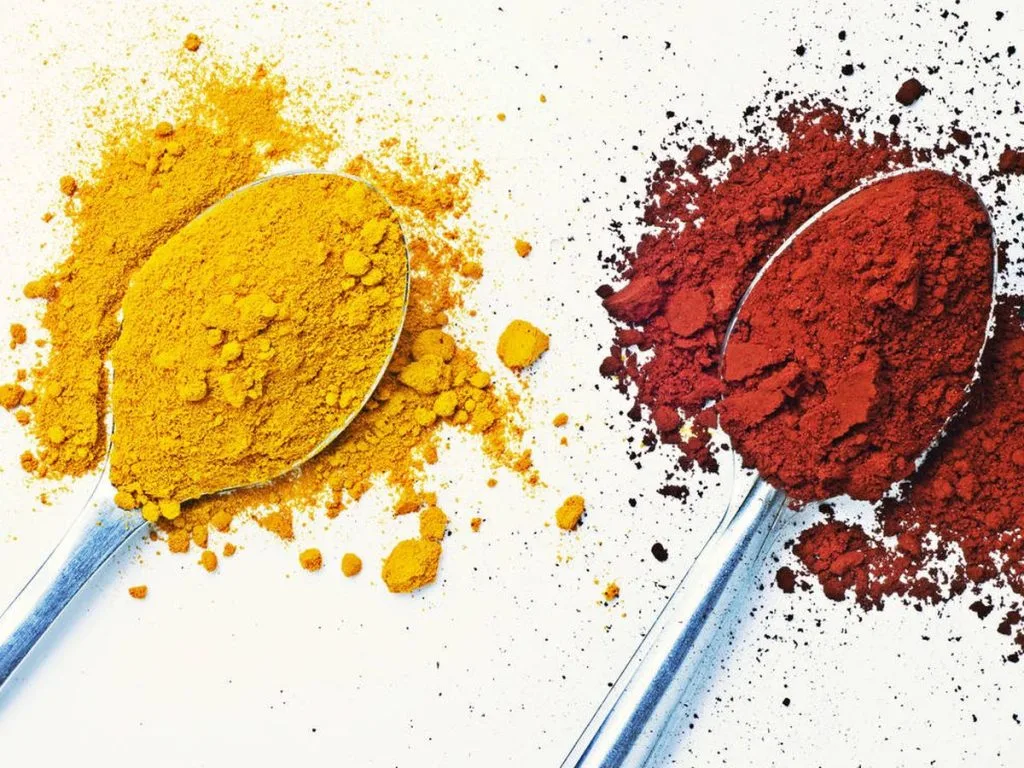
The recent decision by the U.S. Food and Drug Administration (FDA) to ban the use of the synthetic dyes Red 3 (erythrosine) and Yellow 5 (tartrazine) in food products has had a significant impact on the food industry internationally. These measures, driven by concerns about possible adverse health effects such as cancer risk and hyperactivity in children, are forcing companies to reformulate their products and look for safer alternatives.
In the United States, the Red 3 ban will take effect gradually during 2025, affecting a wide range of popular products including cereals, candy, beverages, and snacks. Well-known brands such as Skittles, Mountain Dew, Lucky Charms, and Cheetos Flamin’ Hot will have to adapt to these new regulations, either by reformulating their products or by including warnings on their labels (Excélsior).
The European Union had already implemented strict regulations on tartrazine, requiring specific label warnings and reduced permitted levels in certain products (The Food Tech).
For the Mexican food industry, especially companies that export to the U.S. market, these bans represent a considerable challenge. The need to adopt natural alternatives will not only make it possible to comply with international regulations, but will also respond to growing consumer demand for safer, healthier products.
An opportunity for agriculture: new momentum for crops with natural pigments
This regulatory shift poses not only challenges for the food industry but also significant opportunities for agriculture. Growing interest in natural colorants—such as betalain (red-purple) from beets, curcumin (yellow) from turmeric, and anthocyanin (blue, red, violet) from fruits like blueberries or from purple corn—is opening new market niches for agricultural producers.
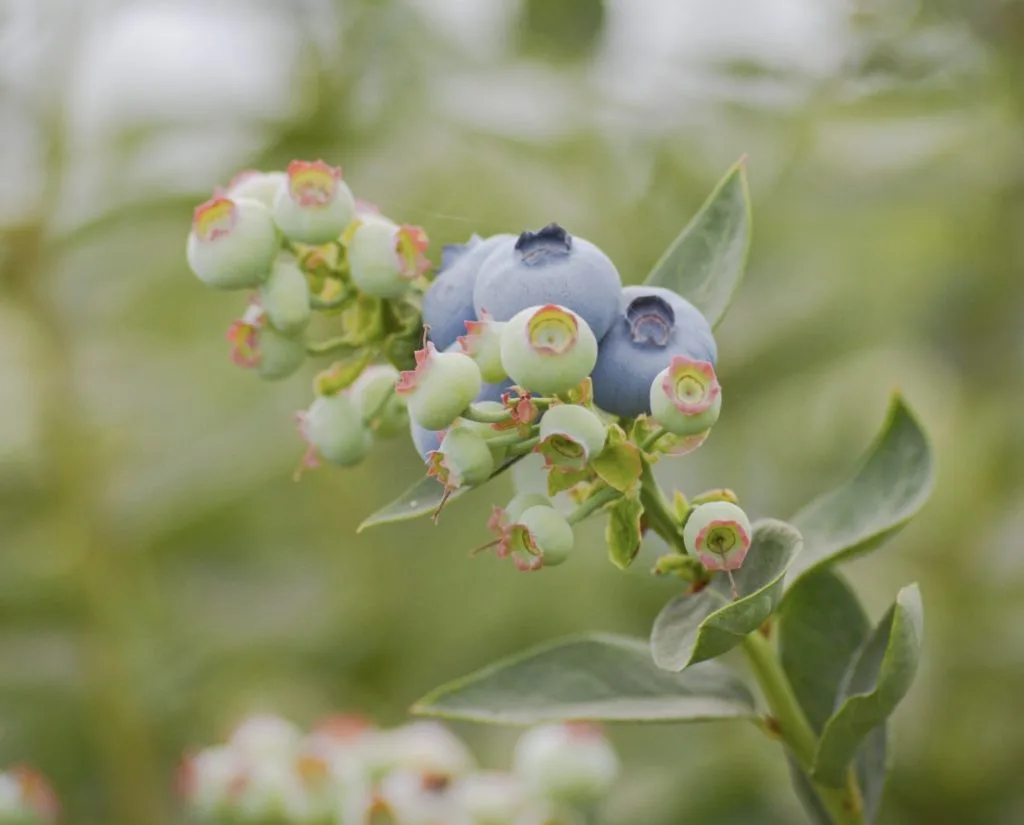
Crops rich in natural pigments can now position themselves as key ingredients in the reformulation of processed products. This represents a real diversification opportunity for farmers, who could redirect their production toward varieties with high added value for the food and cosmetics industries.
In addition, these new demands promote more sustainable growing systems, as buyers are looking not only for natural ingredients but also for more environmentally responsible supply chains. This aligns regulatory progress with trends in regenerative agriculture, fair trade, and traceability.
Conclusion
The elimination of Red 3 and Yellow 5 dyes marks a turning point for the food industry, driving a transition toward more natural and safer ingredients and reflecting growing concern for consumer health and well-being. At the same time, it represents a strategic opportunity for agriculture: farming now has the chance to integrate more strongly into the food value chain by offering natural inputs that are also part of a narrative of health, sustainability, and innovation.