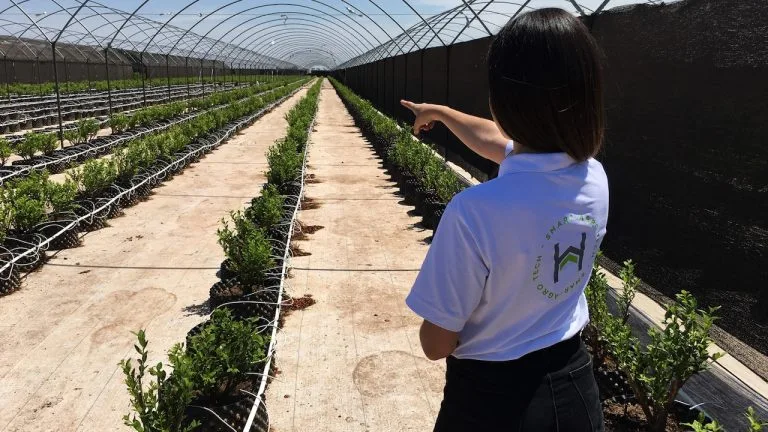
Years have passed and our land is no longer the same. Over time, the purity of our soils has been changing, and traditional planting has reached a critical point where it is less and less profitable for growers.
After being farmed, land must be left to rest so it can regenerate properly, and this downtime means losses for farmers. That is why more and more growers are moving to container growing with substrate: besides delivering better results, it keeps crops from being exposed to external agents such as pathogens, bacteria, animals, and bad weather.
Beyond preventing exposure to these agents, container growing helps crops reach their full potential and avoid losses caused by diseases or pests, allowing better individual control of each plant and preventing outbreaks from spreading and putting the crop at risk.
That is why the current market trend is to move from traditional farming to soilless agriculture.
Why soilless agriculture?
From crop safety to higher production yields, these are the main benefits of soilless agriculture:
- Container-grown crops deliver high production yields and better pest control, since plants are managed individually instead of being planted together in the ground.
Soilless growing allows individual control of each plant. This means you can measure all kinds of data plant by plant, from possible infections caused by external factors, diseases, or pests to nutrient levels and uptake.
Better irrigation management: The plant receives only the amount of water it needs, which makes nutrient uptake more efficient and saves on both. - Land use: Another important benefit of soilless agriculture is being able to use land even when the soil is not suitable for crops, giving growers a wider reach in their operations.
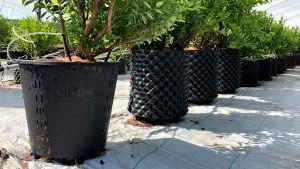
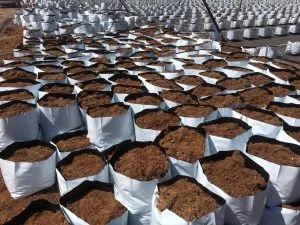
Today there are several ways to achieve soilless growing. The two most common solutions are bags and pots, also known as containers. In the case of pots, there are solutions with specialized designs that offer better plant-by-plant crop management and help produce bigger, healthier plants and, therefore, higher production yields.
Soilless agriculture makes it possible to develop better projects, making the most of the advantages of the different mixes and substrates in contact with the crop or plant, delivering better results across the board, generating savings, and maximizing production. Without a doubt, soilless agriculture is one of the most important agrotechnology trends worldwide.
Let's lose our fear of change: soilless agriculture is the solution for the present and the future of farming.